Alex is Sprintlaw’s co-founder and principal lawyer. Alex previously worked at a top-tier firm as a lawyer specialising in technology and media contracts, and founded a digital agency which he sold in 2015.
If you want to know how to start a brewing company in the UK, the legal side can trip you up early and expensively. Founders often spend money on tanks, branding and a site fit-out before checking whether the premises can actually be used for brewing, whether the right alcohol approvals are in place, or whether the brand name is already taken. Another common mistake is treating labels, online sales terms and data privacy as something to sort out later.
That usually means delays, wasted packaging runs, awkward supplier disputes, or products that cannot be sold the way you planned. Brewing is a product business, but it is also a regulated one. You are dealing with alcohol, premises, customer information, packaging claims, stock movement and often third party distribution.
This guide explains how to start a brewing company business in the UK with a practical legal checklist. It covers business structure, registrations and approvals, labelling and consumer rules, contracts, online sales and the growth risks to think about before you sign a contract and before you spend money on setup.
Legal Checklist
A new brewery usually needs more than a company registration and a great recipe. Most founders should sort out these legal steps early, because each one affects premises, production, branding or sales.
- Choose your business structure, usually a private limited company, and register the business correctly.
- Check the premises position early, including lease terms, planning use, fit-out permissions and any landlord consent for brewing, storage and customer visits.
- Confirm what alcohol-related registrations, approvals and HMRC requirements apply to your production, storage and dispatch model.
- Clear your brand name, beer names and logos before you print cans, labels, taproom signage or launch online, then apply for trade mark protection where appropriate.
- Make sure your labels, product descriptions and marketing meet food information, weights and measures, and alcohol advertising rules.
- Put supplier, manufacturing, distribution and wholesale contracts in place before stock is ordered or sent out.
- Prepare website terms, customer terms, delivery and returns wording, and a privacy notice if you are selling online or collecting customer data.
- Set up employment contracts, contractor agreements and workplace policies if you are hiring brewers, drivers, taproom staff or brand reps.
How To Set Up A Brewing Company Business in the UK Legally
The best legal starting point is to decide who is trading, from where, and under what permissions. Those three issues shape almost everything else, from liability and branding to whether you can lawfully brew and sell from your chosen site.
Choose the right business structure
Most brewery founders set up a private limited company. That is usually the cleanest option if you are bringing in co-founders, taking investment, signing a lease or entering wholesale supply arrangements.
A company creates a separate legal entity, which helps ringfence business liabilities from personal assets, although directors still have legal responsibilities. If you start as a sole trader or partnership, it can be harder to separate ownership, profit shares and decision-making later.
Before you spend money on setup, think about:
- who owns the business
- who is contributing cash, equipment or recipes
- how profits will be split
- who can make major decisions
- what happens if a founder wants to leave
If there is more than one founder, a shareholders agreement is often worth having early. This is where founders often get caught, especially when one founder handles production and another funds the launch.
Secure the business name and brand early
Your brewery name may feel settled, but that does not mean it is legally safe to use. A Companies House registration is not the same as having business name clearance, and it does not stop someone else alleging trade mark infringement.
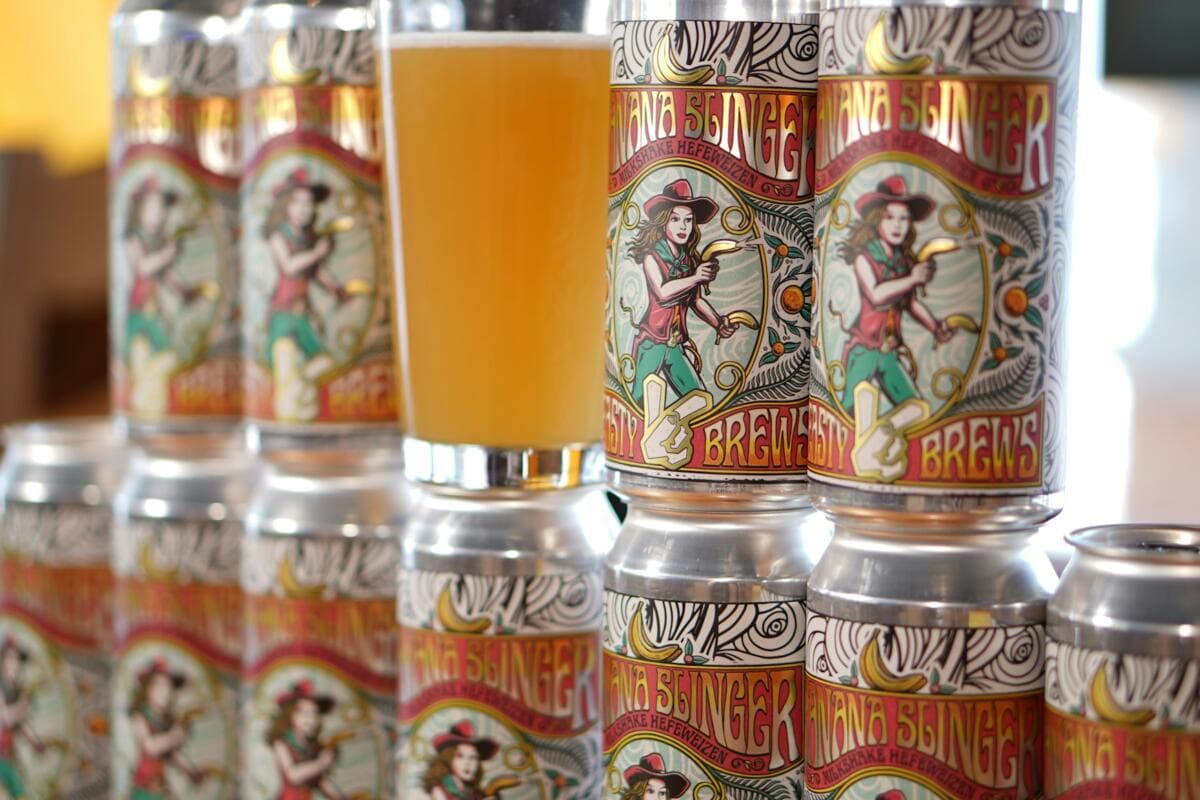
Before you print, check whether your proposed brewery name, beer range names and logo conflict with existing brands. This matters even more in the drinks sector, where names and can designs are a major part of the product.
Trade mark protection can help if you want to build a recognisable brand across cans, merchandise, taproom sales and online retail. It is usually far cheaper to check early than to rebrand after labels, packaging and social accounts are live.
Get the premises right before you sign
The premises issue is often the biggest legal and commercial risk. A warehouse that looks perfect on day one may not be suitable under the lease, planning position or landlord restrictions.
Before you sign a contract for a site, check:
- whether brewing, storage and dispatch are allowed under the lease
- whether planning permission or change of use issues need to be addressed
- whether extraction, drainage, waste handling and heavy equipment installation need consent
- whether customer visits, a taproom or events are permitted
- who is responsible for repairs, fit-out and reinstatement at the end of the term
A commercial lease can lock you into years of cost. If the site needs specialist works or licensing support, get that clarity before you commit.
Do You Need Registration, Licence Or Approval To Start A Brewing Company Business in the UK?
Yes, in most cases you will need more than standard business registration. A brewing company in the UK commonly needs HMRC-facing alcohol approvals or registrations connected to production and duty processes, and you may also need licensing permissions depending on whether you sell direct to the public, operate a taproom or host on-site consumption.
The exact requirements depend on how your brewery will operate. Brewing for wholesale only is different from running a brewery tap, selling online, attending markets or offering tours and tasting events.
You should identify early whether you need:
- premises-related alcohol permissions for retail sale or on-site supply
- HMRC registration or approval linked to alcoholic product production and duty obligations
- food business registration with the local authority where relevant
- sector-specific approvals for storage, dispatch or movement of alcohol products, depending on your model
This is an area where detail matters. The right answer depends on your premises, ABV products, supply chain and whether you are manufacturing, wholesaling, exporting or selling direct to consumers.
Register as a food business if required
Breweries are often treated by founders as alcohol businesses first, but food law can still be relevant. If your operation falls within food business activity, you may need to register with your local authority environmental health team.
This can be particularly relevant if you are producing, handling, packaging or storing products in a way that engages food hygiene regulation. If you add a taproom or food offering, your compliance picture widens again.
Legal Requirements, Labels And Consumer Rules For Brewing Company Businesses
If you are asking how to start a brewing company legally, product information and customer-facing compliance are not minor details. They affect whether you can sell smoothly through retailers, online channels and direct-to-consumer orders.
Labels need to be accurate and legally usable
Your labels are not just a design exercise. They are legal product information, and errors can create issues with regulators, retailers and customers.
The rules can vary depending on product type and sales channel, but founders should usually check labels for:
- the product name and description
- alcohol by volume information where required
- net quantity and measurements presented correctly
- allergen information where applicable
- name and address details for the responsible food business operator or seller, where required
- lot or batch marking where relevant
- any mandatory warnings or statements that apply to the product
Do not assume your designer or printer has covered the legal side. Before you run off thousands of cans or bottle labels, make sure the wording matches the product and the law.
Marketing claims need to be supportable
Beer branding often leans into craft claims, sustainability claims, local sourcing and flavour descriptions. The main risk is making statements that are vague, exaggerated or not backed up.
If you use claims such as organic, low alcohol, alcohol free, sustainable, natural or locally sourced, check that the wording is accurate and that you can support it. The same goes for health-adjacent language, which can create extra risk in alcohol marketing.
Promotions should also be reviewed carefully. Competitions, discount codes, subscription offers and mixed case deals all need clear terms.
Consumer law applies to your sales process
If you sell directly to customers, your business has to comply with consumer protection rules. This includes pricing transparency, fair contract terms, accurate descriptions and clear information about delivery and refunds.
For online sales, customers generally need certain pre-contract information before ordering. Your checkout flow, delivery wording and cancellation position should line up with the type of products you sell and the applicable legal rules.
Founders often copy online terms from another drinks brand. That is risky, because your delivery model, age checks, breakage policy and returns approach may be different.
Privacy rules matter if you sell online or build a mailing list
If you collect names, emails, delivery addresses, payment-related information or analytics data, privacy law is part of your setup. A brewery website that sells direct, offers newsletter sign-ups or runs tasting events will usually need a clear privacy policy and lawful data handling practices.
UK GDPR style transparency matters here. Customers should understand what data you collect, why you collect it, how long you keep it and whether third parties such as payment providers or delivery partners are involved.
If you use email marketing, make sure your sign-up process and consent wording are appropriate. This is especially relevant if your launch plan relies on a subscription club, pre-orders or early-access product drops.
Contracts, Online Sales And Growth Risks For Brewing Company Businesses
A brewery can get into legal trouble through ordinary commercial decisions, not just regulation. The contracts you sign in the first year often shape margin, supply reliability, ownership disputes and customer complaints later.
Supplier and manufacturing contracts
You should have clear terms with suppliers before ingredients, packaging or equipment are ordered. A handshake deal is rarely enough once lead times blow out or a batch fails.
Useful supplier contracts often cover:
- specifications and quality standards
- pricing and payment timing
- delivery dates and risk in transit
- what happens if goods are defective or delayed
- ownership of custom packaging or tooling
- liability limits and termination rights
If you are using a contract brewer, toll manufacturer or shared production facility, the agreement should also deal with recipe use, confidentiality, production scheduling and who is responsible for compliance steps.
Wholesale, distribution and taproom arrangements
As your brewing company grows, you may sell through pubs, bottle shops, online resellers, distributors or event operators. Each model creates different legal pressure points.
Before you sign a contract, make sure you understand:
- whether supply is exclusive
- who carries stock loss risk
- when title passes
- whether minimum purchase levels apply
- how returns, spoilage and short shelf-life issues are handled
- what branding rights the buyer has
If you are opening a taproom or hosting events, you may also need clear booking terms, event hire terms and policies dealing with responsible service and customer conduct.
Website terms and age-related controls
If you are selling alcohol online, your website should not just look polished. It should have customer terms that reflect the actual order process, delivery model and age-restricted nature of the product.
Your online documents may need to address:
- when an order is accepted
- delivery areas and failed deliveries
- breakage and replacement rules
- identity and age verification steps
- subscriptions or recurring orders
- promotional codes and gift vouchers
This is also where founders need to think carefully about third party platforms. If marketplaces, couriers or fulfilment houses are involved, your customer terms should not contradict those operational arrangements.
Hiring staff and using contractors
If your brewery hires staff, you will need the right employment paperwork from the start. That usually includes written employment contracts and practical workplace policies.
The risk is not limited to full-time brewers. Casual taproom staff, delivery drivers, event workers and sales reps can all create issues if roles are badly documented or someone who looks like a worker is labelled as a contractor without the reality matching the paperwork.
Think about confidentiality, intellectual property, health and safety responsibilities and post-termination restrictions where appropriate. If someone helps develop recipes, branding assets or customer lists, ownership should be clear.
Protecting the brand as you scale
Growth usually means more SKUs, collaborations, merch and wider distribution. That also means more chances for branding disputes.
Trade marks can help protect the brewery name, core product lines and logos. If you collaborate with another brewery, artist or venue, set out in writing who owns the collaborative branding, artwork and promotional content.
Before you launch a new beer line, it is worth checking the name again rather than assuming your original brand clearance covers every product name you use.
FAQs
Can I start a brewing company from a small industrial unit in the UK?
Often yes, but only if the premises are legally suitable. Check the lease, planning position, landlord consent requirements, waste and drainage issues, and whether the site can support any customer-facing activity you want to add later.
Do I need a trade mark for my brewery name?
You are not legally required to register a trade mark to start trading, but it is often a smart step. It can help protect your brand as you grow and reduce the risk of being forced to rebrand after you have invested in labels, signage and online sales.
What legal documents do I need to sell beer online?
Most breweries selling online should consider website terms and conditions, customer terms, a privacy policy and suitable age-verification processes. If you run subscriptions, promotions or events, you may need extra terms as well.
Do brewery labels need legal review?
In many cases, yes. Labels can trigger issues around alcohol information, allergen wording, measurements, claims and responsible seller details. A legal check before printing can save a costly packaging re-run.
Should co-founders have an agreement before launching?
Yes, especially if one founder brings capital and another runs production or sales. A shareholders agreement can help deal with ownership, decision-making, exits and disputes before they become expensive.
Key Takeaways
- To start a brewing company in the UK, sort out the legal basics early: business structure, premises, brand clearance and the right alcohol-related approvals.
- Do not sign a lease or spend heavily on fit-out until you know the site can lawfully be used for brewing, storage and any customer-facing activity.
- Check your brewery name, logos and product names before printing labels or launching online, and consider trade mark protection.
- Labels, product claims and online sales materials need to meet consumer and regulatory rules, especially for alcohol products.
- Supplier agreements, wholesale contracts, website terms, privacy documents and employment paperwork can prevent avoidable disputes as the business grows.
- The exact legal setup depends on whether you brew only, sell direct, run a taproom, use distributors or collect customer data online.
If you are launching a brewing company business and want help with business structure, trade marks, supplier and website terms, or alcohol and product compliance, you can reach us on 08081347754 or team@sprintlaw.co.uk for a free, no-obligations chat.
Protect your brand
What intellectual property should you protect?
If a name, logo, design or other creative work matters to the business, check who owns it, what permissions you need and whether clearance or registration is appropriate.

Alex SoloCo-Founder