Alex is Sprintlaw’s co-founder and principal lawyer. Alex previously worked at a top-tier firm as a lawyer specialising in technology and media contracts, and founded a digital agency which he sold in 2015.
Contents
- What Counts As A Digital Product?
- Do You Actually Have The Right To Sell It?
- Understanding Copyright And Trade Marks
- Your Customers Usually Aren't Buying Ownership
- Consumer Law Still Applies
- Don't Overlook Data Protection
- What About AI-Generated Content?
- Selling Through Online Platforms Doesn't Replace Legal Compliance
- Getting The Legal Foundations Right
Whether you're looking to build a side hustle or grow a full-time business, selling digital products has never been more accessible. From Canva templates and ebooks to online courses, digital planners and print-on-demand merchandise, creators have more opportunities than ever to turn their ideas into income.
But while creating and launching a digital product can take just a few clicks, the legal side of selling one is often overlooked. It's easy to assume that if you created something yourself - or a platform allows you to sell it - you're free to commercialise it however you like.
In reality, selling digital products involves much more than creating something people want to buy. Intellectual property laws, consumer protection laws, data protection obligations and even the terms of the platforms you use can all affect what you're legally allowed to sell and how you sell it.
Getting these foundations right from the outset can help reduce legal risks, protect your work and give your business a stronger platform for growth. In this guide, we'll explain some of the key legal issues to consider before you start selling digital products in the UK.
What Counts As A Digital Product?
A digital product is anything you create that customers can buy, download or access online instead of receiving as a physical item.
That could be an ebook, Canva template, online course, printable planner or digital calendar. It also includes things like Lightroom presets, stock photography, software, membership subscriptions and even print-on-demand products, where your designs are printed onto items like t-shirts, mugs or notebooks when a customer places an order.
Although these businesses don't need shelves full of stock or a traditional shopfront, they're still selling commercial products. That means many of the same legal obligations that apply to other businesses also apply when you're selling digital products.
Do You Actually Have The Right To Sell It?
One of the biggest misconceptions about selling digital products is that if you created the final product yourself, you automatically own every part of it.
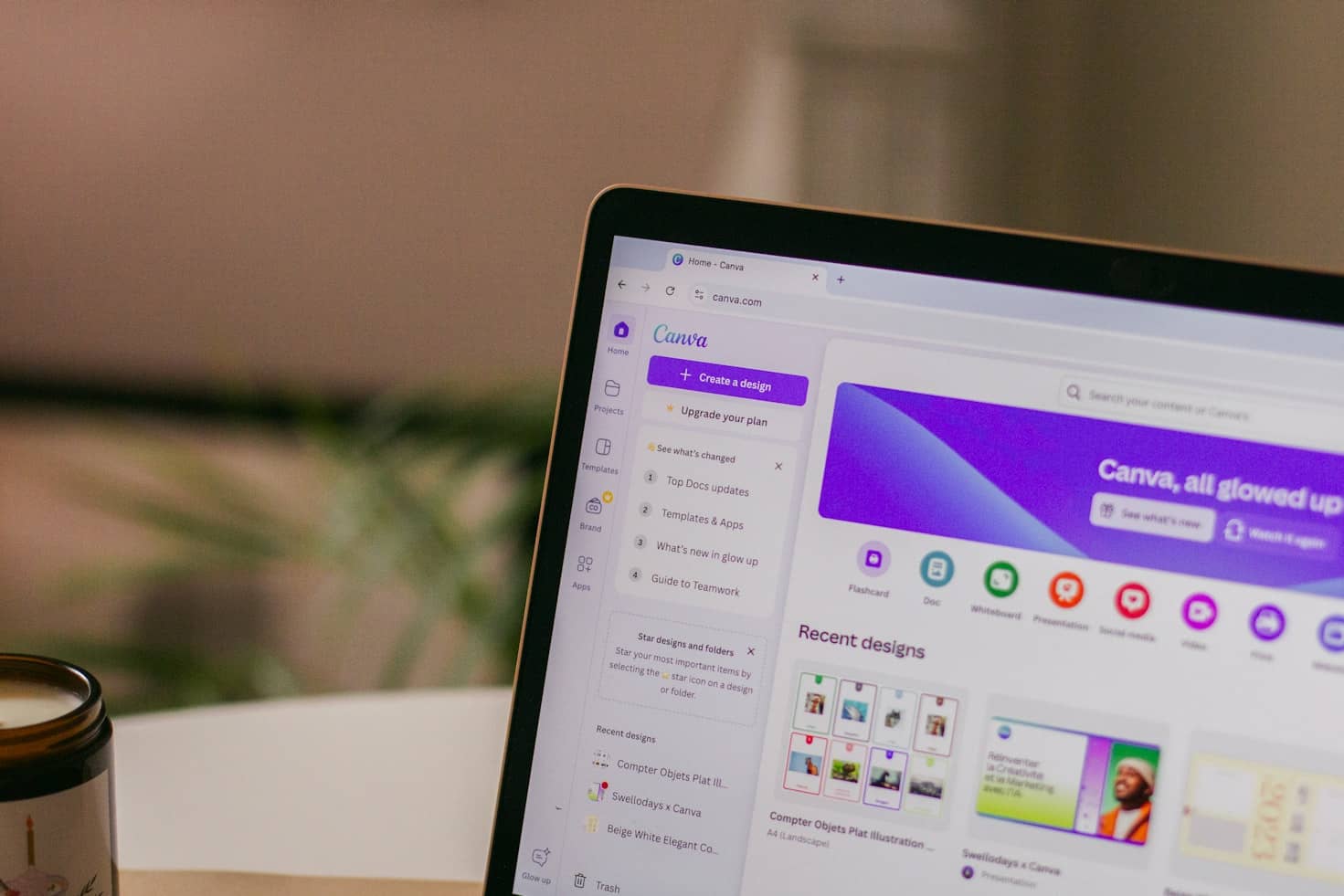
In reality, many digital products combine your own work with third-party content, such as stock photos, fonts, illustrations, icons, templates or design elements provided by another platform. You might create an ebook using licensed fonts, design a planner in Canva, or sell print-on-demand t-shirts featuring graphics from a design library. While these resources are often available for commercial use, that permission usually comes through a licence rather than ownership.
A licence gives you permission to use someone else's intellectual property under certain conditions. It doesn't transfer ownership to you, and those conditions can vary significantly depending on the platform or content provider.
For example, some platforms allow you to use their design elements in a finished product that you sell, but prohibit selling the individual elements on their own, redistributing editable templates or creating products that compete with the platform itself. Similarly, some stock image providers restrict the use of their images in logos, trade marks or products where the image is the main source of value.
It's also important to think about the content you use from other creators. Copying a competitor's ebook, reproducing another designer's artwork or downloading images from the internet without permission may infringe copyright, even if you modify the work or credit the original creator. A common misconception is that changing a certain percentage of a work or giving attribution automatically avoids copyright infringement, but that isn't how copyright law works.
That's why there isn't always a simple answer to questions like, "Can I sell a Canva template?", "Can I use this font on products I'm selling?" or "Can I put this graphic on a t-shirt?" The answer often depends on both the relevant intellectual property laws and the licence attached to the particular asset you've used.
It's also worth remembering that you're often dealing with two separate sets of rules: the law itself and the contractual terms you've agreed to by using the platform. Complying with one doesn't necessarily mean you've complied with the other.
Before launching your product, it's worth checking the licences for any third-party content you've used to make sure commercial use is permitted. If ownership or licensing isn't clear, seeking legal advice early can help you avoid costly problems later.
Understanding Copyright And Trade Marks
In the UK, copyright is governed by the Copyright, Designs and Patents Act 1988. Like Australia, copyright generally arises automatically when an original work is created and recorded. There is no requirement to register copyright in order to receive protection.
If you've created an original ebook, online course, illustration or digital template, copyright will generally protect the particular way you've expressed your ideas. However, it doesn't protect the ideas themselves, nor does it automatically give you ownership of third-party material you've incorporated under licence.
It's also important to understand that copyright and trade marks protect different things. Copyright protects original creative works, while a registered trade mark protects the signs that distinguish your business, such as your business name, logo or slogan.
Many business owners assume that registering a company with Companies House, or registering a business name, gives them ownership of that name. It doesn't. Company registration and trade mark registration serve different purposes. If you're building a recognisable brand around your digital products, registering a trade mark with the UK Intellectual Property Office (UKIPO) may provide stronger legal protection and help prevent others from using a similar brand.
Your Customers Usually Aren't Buying Ownership
When someone buys a digital product, they're usually not buying ownership of your intellectual property. Instead, they're purchasing a licence that allows them to use your product in accordance with the terms you've set.
For example, if you sell a Canva template, you might allow customers to customise it for their own business but not resell it or share it with others. If you sell an ebook, it may be licensed for personal use only. Likewise, access to an online course may be limited to a single user and not allow login details to be shared.
If those rights aren't clearly explained, customers may assume they're free to copy, redistribute or commercially use your product in ways you never intended.
That's why well-drafted Terms and Conditions and product licence terms are so important. They help set clear expectations by explaining exactly what customers are purchasing, how they can use your product, whether commercial use is permitted and what restrictions apply. They can also explain what happens if those terms are breached. While clear contractual terms won't prevent every dispute, they can significantly reduce misunderstandings and put your business in a much stronger position if problems arise.
Consumer Law Still Applies
It's easy to assume that because you're selling a digital product rather than a physical one, consumer protection laws don't apply. In reality, businesses selling digital products also need to comply with the Consumer Rights Act 2015.
Unlike many areas of law, the Consumer Rights Act specifically addresses digital content. Depending on what you're selling—whether it's downloadable software, an online course, a digital subscription or a printable template—your customers may have legal rights that generally can't be excluded by your own Terms and Conditions. Broadly speaking, digital content should be of satisfactory quality, fit for its intended purpose and match its description.
That means your marketing matters just as much as the product itself. If you advertise an online course as providing lifetime access but later remove it, or describe a digital template as fully customisable when key features are locked, you could expose your business to consumer law issues.
It's also common to see digital products advertised as "non-refundable." While you can have a policy explaining how you deal with change-of-mind purchases, your own refund policy can't override a customer's legal rights. If a customer is entitled to a remedy because your digital product doesn't match its description or doesn't function as promised, your Terms and Conditions can't simply remove those rights.
It's also worth remembering that consumers buying digital products may have different cancellation rights from those buying physical goods. For example, once digital content has been downloaded or streaming has begun, consumers may lose their right to cancel in certain circumstances, provided they've been given the required information and have expressly agreed for the supply to begin during the cancellation period.
Clear product descriptions, well-drafted Terms and Conditions and a legally compliant refund policy can help reduce disputes while ensuring your business meets its legal obligations.
Don't Overlook Data Protection
Selling digital products often means collecting more personal information than you might realise. Even if you're only selling a downloadable planner or an online course, you may collect customer names, email addresses, payment details or information through newsletters, memberships or customer accounts.
In the UK, businesses that process personal data need to consider their obligations under the UK General Data Protection Regulation (UK GDPR) and the Data Protection Act 2018. Among other things, these laws require businesses to have a lawful basis for processing personal data, keep it secure and be transparent about how it's collected and used.
Having a clear Privacy Policy helps customers understand what personal information you collect, why you're collecting it, how it's stored and when it may be shared with others. Depending on how your business operates, you may also need to respond to data subject requests, keep appropriate records of your processing activities or report certain personal data breaches.
If you're sending marketing emails to customers or subscribers, you'll also need to consider the Privacy and Electronic Communications Regulations 2003 (PECR). These rules govern electronic marketing and generally require businesses to comply with requirements around consent, sender identification and providing a simple way for people to unsubscribe.
Good data protection practices aren't just about complying with the law. They also help build trust with your customers, which is particularly important for businesses selling online.
What About AI-Generated Content?
Artificial intelligence is becoming an increasingly popular tool for creating digital products. Whether you're using AI to help write an ebook, generate artwork, create marketing copy or design digital templates, it's important to remember that using AI doesn't remove your legal responsibilities.
Existing copyright laws continue to apply, but they weren't developed with generative AI in mind. As AI technology evolves, questions about authorship, ownership and infringement continue to be considered by governments, courts and policymakers in the UK and around the world.
Different AI platforms also have different terms governing how their outputs can be used commercially. Some permit commercial use, while others may impose conditions or limitations. Before selling AI-generated content, it's worth taking the time to understand the platform's terms and what rights you're granted to use the output.
It's also important to review AI-generated content carefully before publishing it. While AI can be an incredibly useful business tool, it can also produce inaccurate information or generate content that closely resembles existing works. You're ultimately responsible for the products you sell, so don't assume AI-generated content is automatically free from copyright or other legal risks simply because it was created by a machine.
Selling Through Online Platforms Doesn't Replace Legal Compliance
Many creators sell through platforms such as Canva, Etsy, Shopify, Gumroad, Gelato or Printful. While these platforms make it easier to create, market and sell digital products, they don't remove your legal responsibilities.
It's helpful to think of it this way: there are usually two separate sets of rules you need to follow. The first is the law, including intellectual property, consumer protection and data protection laws. The second is the platform's own terms and conditions.
Meeting one doesn't automatically mean you've complied with the other. For example, a product might comply with UK law but still breach a platform's terms, resulting in your listing being removed or your account being suspended. Equally, just because a platform allows you to sell something doesn't necessarily mean you've met your legal obligations.
It's also worth remembering that platform terms can change over time. Before launching a new product - or continuing to sell an existing one - check that the platform's current terms still allow the way you're using its content, AI tools or other services.
Getting The Legal Foundations Right
It's easy to think legal protections can wait until your business is bigger or making more sales. In reality, many legal issues arise much earlier - often from your very first customer.
Taking the time to put the right legal foundations in place can make a significant difference. Depending on your business, that might include choosing the right business structure, preparing tailored Terms and Conditions, implementing a Privacy Policy, protecting your brand with a registered trade mark, reviewing third-party licences, and making sure your website and customer agreements accurately reflect how your digital products are sold.
If you're using platforms like Canva, Etsy or Shopify, relying on licensed fonts, images or design elements, or incorporating AI into your creative process, it's also worth understanding the legal and contractual obligations that apply before you launch. Addressing these issues early is usually much simpler - and far less costly - than dealing with a dispute once your business is established.
Selling digital products is one of the most accessible ways to start and grow a business, but long-term success depends on more than having a great idea. By understanding your legal obligations and putting the right protections in place from the outset, you can better protect your work, build trust with your customers and grow your business with confidence.
If you would like a consultation on the legal side of selling digital products, you can reach us at 08081347754 or team@sprintlaw.co.uk for a free, no-obligations chat.
Make customer terms clear
How do you reduce customer-facing risk?
Retail and online customer issues usually come back to clear terms, refund wording, staff guidance and a process the business can follow consistently.
Ecommerce and consumer law guideConnect customer rights, refunds, renewals and operational terms.Contract reviewReview customer-facing terms before they create avoidable disputes.Get a fixed-fee quoteTell us what you need. Our team will review your enquiry and send a clear fixed-fee quote before any work starts.

Alex SoloCo-Founder