Alex is Sprintlaw’s co-founder and principal lawyer. Alex previously worked at a top-tier firm as a lawyer specialising in technology and media contracts, and founded a digital agency which he sold in 2015.
Contents
When most people think of a trade mark, they think of a business name, logo or slogan. But in today’s digital world, brands are often recognised by more than just static images.
The animation that appears when you open an app, the moving logo that plays before a video, or the distinctive transition used across a company’s advertising can all form part of a business’s brand identity. In some cases, these moving brand assets may be capable of trade mark protection.
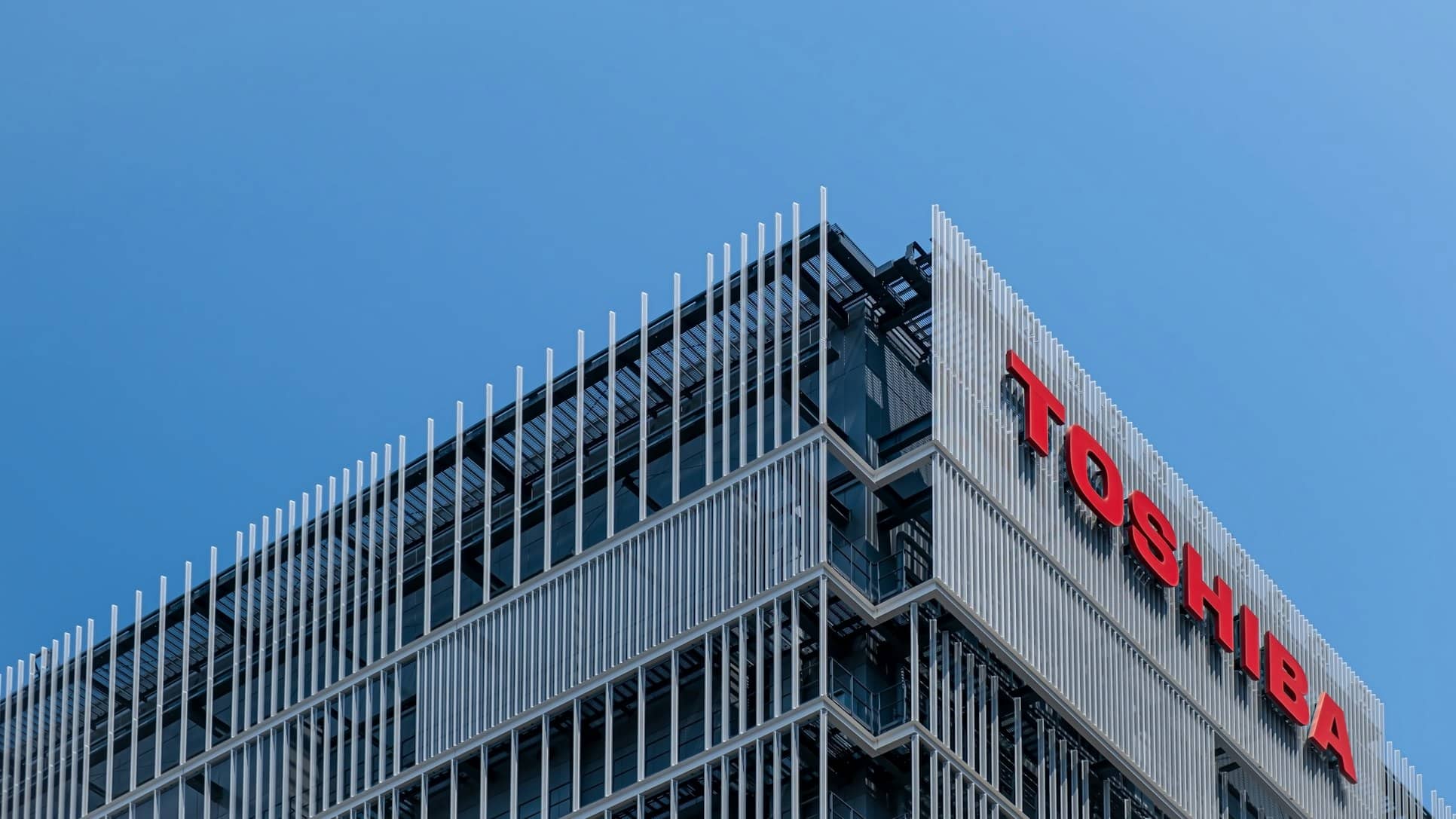
This idea moved into the spotlight in 2019, when Toshiba became the first organisation to register a multimedia trade mark under the UK’s updated trade mark regime, with the registration featuring motion elements. Its application was filed on 14 February 2019 and registered on 3 May 2019.
What Is A Motion Mark?
A motion mark is a type of trade mark that protects a movement or sequence of movements used to identify a business’s goods or services.
Unlike a traditional trade mark, which may protect a word, logo or image, a motion mark protects the way something moves. This could include an animated logo sequence, a distinctive digital transition or another moving visual element that consumers associate with a particular brand.
The key point is that the movement must operate as a badge of origin. In other words, consumers need to recognise the motion as identifying one business rather than simply seeing it as decorative or functional.
Toshiba’s Historic Registration
Toshiba’s registration was significant because it was the UK’s first multimedia trade mark registered under the updated trade mark rules.
Before the law changed, it was already possible to register motion marks in the UK. However, applicants generally needed to represent the movement graphically, which could make the process difficult and imprecise.
The January 2019 changes allowed applicants to submit multimedia files directly to the UK Intellectual Property Office. This meant that businesses could show the exact movement, sound or multimedia element they wanted to protect, rather than relying only on still images or written descriptions.
Toshiba’s registered mark featured its logo alongside an origami-style graphic motif designed to reflect the Toshiba brand. The registration demonstrated that trade mark law was beginning to adapt to the way businesses increasingly present themselves through digital and moving content.
Why Was It Important?
The Toshiba registration was not important simply because of the animation itself. Its significance was that it showed movement could form part of a protectable brand identity.
Businesses increasingly interact with customers through screens, apps, websites, social media and video content. In that environment, a moving logo or animation may become just as recognisable as a traditional logo.
By allowing multimedia marks to be filed as multimedia files, the updated system gave businesses a more practical way to protect non-traditional brand assets. It also recognised that branding is no longer limited to words, slogans and still images.
Can Any Movement Be Trade Marked?
Not every movement will qualify for trade mark protection.
Like any trade mark, a motion mark must be distinctive. It needs to help consumers distinguish one business’s goods or services from those of another business.
A generic animation, common transition or purely functional movement is unlikely to be registrable. For example, a simple fade-in effect used on a website may look polished, but it may not tell consumers anything about the source of the goods or services.
The stronger examples are movements that are unusual, memorable and consistently used as part of a business’s branding. In some cases, a business may also need evidence that consumers already associate the motion with its brand.
Could A Small Business Register A Motion Mark?
While motion marks are often associated with large brands, they are not limited to multinational companies.
For example, a software business might develop a distinctive animation that appears every time users open its platform. A streaming service may use a unique branded intro before each video. An ecommerce business might use a consistent moving logo across its website, social media and advertising.
If consumers come to associate those movements with a particular business, they may potentially form part of a trade mark strategy.
However, businesses should remember that trade mark protection is generally reserved for movements that genuinely distinguish their goods or services from those of competitors. A motion mark is less likely to succeed if the movement is generic, functional or used only as a decorative design feature.
What Does This Mean For Businesses?
For most businesses, names, logos and slogans will remain the first priority when it comes to trade mark protection.
However, motion marks may be relevant for businesses that invest heavily in digital branding. This could include companies with distinctive app animations, moving logos, branded video intros or other visual sequences that customers strongly associate with the business.
As digital branding continues to grow, non-traditional trade marks such as motion marks, sound marks and multimedia marks may become more important. Toshiba’s registration was an early example of how trade mark law can evolve to protect the way brands are experienced in a digital environment.
Conclusion
Toshiba’s 2019 registration demonstrated that trade mark law is evolving alongside modern branding. As businesses increasingly interact with consumers through apps, websites and digital content, movement can become just as important as words and logos in building brand recognition.
While motion marks remain relatively uncommon, they highlight the growing range of intellectual property tools available to businesses seeking to protect their brand. For businesses that rely on distinctive animations, moving logos or digital experiences, understanding how motion marks work may be an important part of a broader brand protection strategy.
If you would like a consultation on registering your trade mark, you can reach us at 08081347754 or team@sprintlaw.co.uk for a free, no-obligations chat.
Protect your brand
What intellectual property should you protect?
If a name, logo, design or other creative work matters to the business, check who owns it, what permissions you need and whether clearance or registration is appropriate.

Alex SoloCo-Founder