Alex is Sprintlaw’s co-founder and principal lawyer. Alex previously worked at a top-tier firm as a lawyer specialising in technology and media contracts, and founded a digital agency which he sold in 2015.
Contents
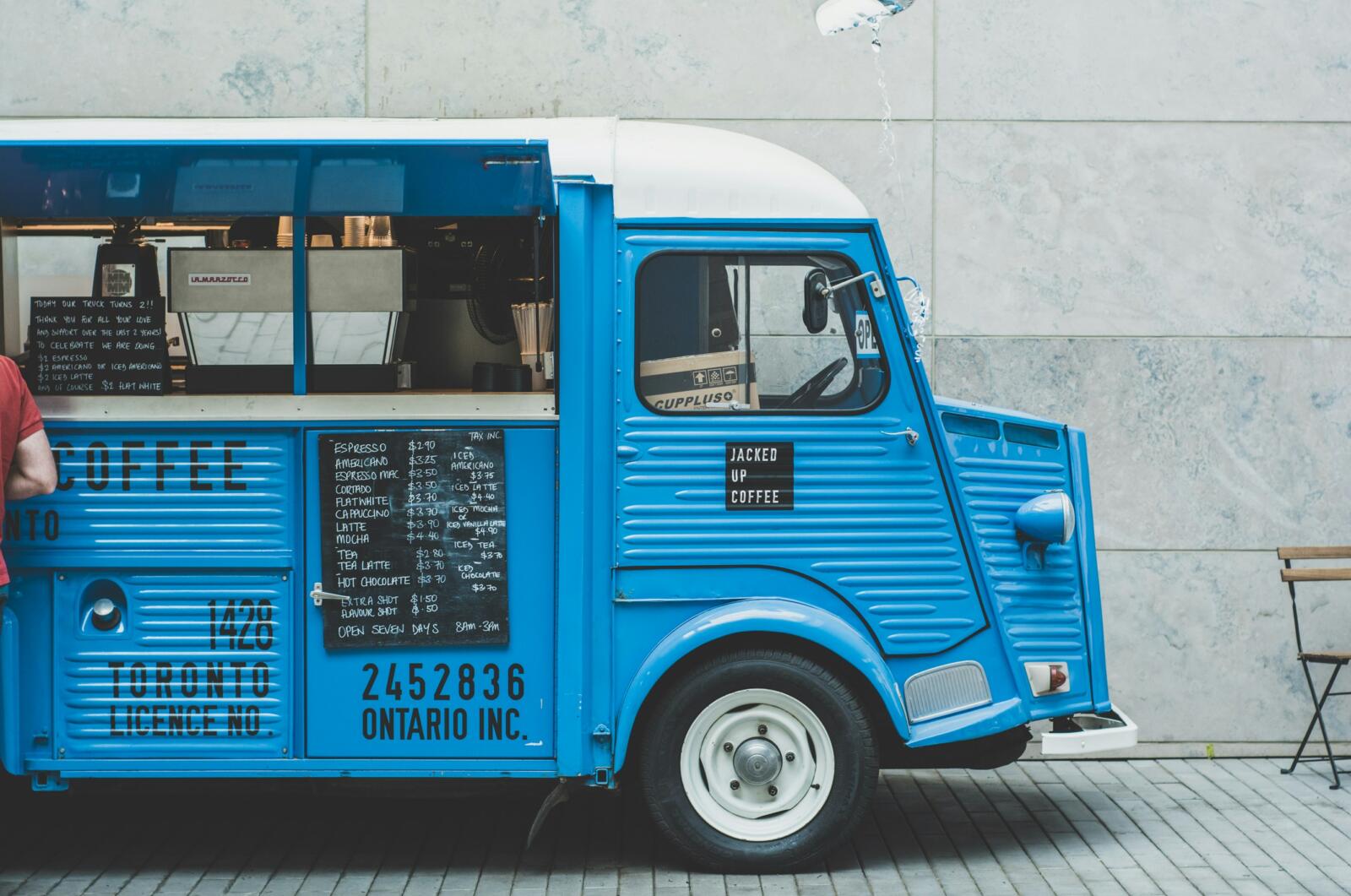
Yes, you should have a proper franchise agreement if you're franchising a mobile coffee van business or buying into one in the UK.
The reason is simple: a mobile coffee van isn't just a cafe on wheels. Your brand, recipes, equipment, van fit-out, territory, events, food safety systems and site approvals all need to work together. If the agreement is vague, small day-to-day issues can quickly turn into expensive disputes.
The good news is that this doesn't have to be complicated. A well-drafted franchise agreement can give both sides a clear playbook, so you can focus on great coffee, good locations and a repeatable business model.
Do You Need A Franchise Agreement For A Mobile Coffee Van?
Yes, if you're giving someone the right to trade under your coffee van brand, you should put that arrangement in a written franchise agreement.
In a franchise model, you usually allow another business to use your brand, systems and know-how in exchange for fees. That might include your logo, coffee recipes, menu, supplier list, van design, training materials and customer service standards.
For a mobile coffee van, the agreement needs to be more specific than a standard cafe agreement because the business moves around. You may be dealing with:
- Different council areas and street trading rules
- Events, markets, workplaces and private sites
- Shared or overlapping territories
- Food safety obligations while operating from a vehicle
- Vehicle maintenance and equipment standards
- Weather, cancellations and changes to location approvals
There isn't one UK franchise statute that sets out a mandatory franchise disclosure process in the way some countries do. Instead, franchise arrangements are shaped by contract law, competition law, intellectual property law, data protection law and general business regulation.
That makes the agreement even more important. It becomes the main document that explains what each side can and can't do.
What Should A Mobile Coffee Van Franchise Agreement Cover?
Your agreement should cover the commercial deal, the operating rules and what happens if things don't go to plan.
At a minimum, a mobile coffee van franchise agreement should deal with:
- The franchise rights: what brand, system and know-how the franchisee is allowed to use.
- The territory: where the franchisee can operate, and whether it's exclusive or shared.
- The term: how long the franchise lasts and whether it can be renewed.
- Fees: upfront franchise fees, ongoing royalties, marketing contributions, training fees and any supply margins.
- Van and equipment: who buys or leases the van, who owns it, and what fit-out is required.
- Menu and recipes: what products must be sold, what can be adapted locally and how recipe changes are approved.
- Brand standards: vehicle wrap, uniforms, signage, social media use, tone of voice and customer experience.
- Approved suppliers: coffee beans, milk, cups, packaging, cleaning products and equipment servicing.
- Site approvals: rules for pitches, events, markets, business parks, festivals and private property.
- Food safety: hygiene systems, allergen information, training, inspections and record keeping.
- Insurance: public liability, employer's liability, product liability, motor insurance and equipment cover.
- Reporting: sales reporting, stock records, customer complaints and audit rights.
- Ending the agreement: default notices, termination rights, post-termination restrictions and handover steps.
Templates often miss the practical details that matter in a mobile food business. For example, a generic agreement might say the franchisee must operate from an approved site, but not explain who is responsible for getting council consent or what happens if a council refuses it.
That kind of gap can create real commercial pain. If a franchisee has paid for a van but can't trade in the expected locations, both sides will want the agreement to clearly explain who carries that risk.
How Should Territory Work For A Coffee Van Franchise?
Territory should be clear, practical and built around how mobile coffee vans actually make sales.
A fixed postcode area might work for a cafe, but it can be too blunt for a mobile coffee business. A franchisee may sell at office parks during the week, sports grounds on weekends and festivals during summer. Another franchisee nearby might want access to similar events.
You can structure territory in several ways:
- Exclusive geographic territory: one franchisee has the right to operate in a defined area.
- Non-exclusive territory: the franchisee can operate in an area, but the franchisor may appoint others.
- Site-based rights: the franchisee gets specific approved sites, such as railway stations, hospitals or office campuses.
- Event-based rights: the agreement allocates regular markets, festivals, private events or corporate bookings.
- Hybrid model: a general territory plus separate rules for events and national accounts.
Say Priya owns a growing coffee van brand in Manchester. She grants one franchisee rights to operate around Salford Quays and another rights to trade at large events across Greater Manchester. Without careful wording, both may expect to attend the same football match, market or corporate event. A good territory clause would explain who gets priority, how leads are allocated and whether head office can manage major event contracts centrally.
Watch Out For Competition Law
Territory rules also need to be sensible under UK competition law, including the Competition Act 1998 and the UK's vertical agreements rules. Exclusive territories can be lawful in many franchise networks, but some restrictions can go too far.
For example, a franchisor generally needs to be careful about controlling resale prices. You can usually recommend prices or set maximum prices in the right context, but fixing minimum resale prices can create serious competition law risk.
If your model relies heavily on exclusivity, approved suppliers or pricing controls, it's worth getting tailored advice before rolling it out.
Who Owns The Brand, Recipes And Know-How?
The franchisor should usually own or control the brand, recipes and operating system, and the franchisee should receive a limited licence to use them during the franchise.
This is one of the most valuable parts of your coffee van business. Your trade mark, logo, menu, training manuals, supplier relationships, recipes and customer experience are what make the model repeatable.
Your agreement should explain:
- Who owns the business name, logo and other branding
- Whether the trade mark is registered with the UK Intellectual Property Office
- How the franchisee can use the brand on the van, uniforms, cups, menus and social media
- Whether recipes, blends and methods are confidential
- What happens to branded materials when the franchise ends
- Whether the franchisee can create local marketing content
- Who owns photos, videos and other content created for the franchise
If you're the franchisor, registering your trade mark early can make enforcement much simpler. A company name at Companies House doesn't give you the same protection as a registered trade mark.
If you're buying a franchise, check that the franchisor actually owns or has permission to use the brand. You don't want to invest in a van wrap, signage and local marketing only to find there's a trade mark dispute later.
Recipes And Confidential Information
Coffee businesses often underestimate how much know-how sits behind the brand. It may include recipes, milk texturing standards, batch brew methods, cleaning routines, supplier pricing, event booking scripts and staff training notes.
A confidentiality clause can protect that information during and after the franchise. You may also need a separate non-disclosure agreement during early discussions, especially if you're sharing financials or operations manuals before the franchise agreement is signed.
What Licences And Food Safety Rules Apply To A Food Truck Franchise?
You usually need food business registration, local site permission and food safety systems before a mobile coffee van can trade.
The exact requirements depend on where and how you operate. A van trading on private land, at a council-run market and at a music festival may face different approval processes.
Common requirements include:
- Food business registration: you must register your food business with the local authority at least 28 days before starting trading.
- Street trading consent or licence: many councils require permission for trading in streets or public places, often under local street trading rules and the Local Government (Miscellaneous Provisions) Act 1982 framework.
- Market or event approval: event organisers often require documents such as insurance, risk assessments, hygiene ratings and electrical or gas safety evidence.
- Food safety management: you need suitable procedures based on HACCP principles under UK food hygiene rules.
- Allergen information: you must give accurate allergen information under food information laws, including the Food Information Regulations 2014 in England and the Food Information (Wales) Regulations 2014 in Wales. Prepacked for direct sale food has extra labelling duties, often known as Natasha's Law.
- Food hygiene rating: inspections are handled by local authorities. In England, displaying the rating is voluntary. In Wales, display is generally mandatory.
- Waste and water arrangements: you need safe systems for fresh water, waste water, rubbish and cleaning.
- Vehicle and equipment safety: gas, electrical, refrigeration and generator safety should be covered, especially for events and enclosed sites.
The franchise agreement should say who is responsible for each approval. This is especially important where the franchisor finds sites centrally but the franchisee operates the van day to day.
For example, if head office secures a corporate office pitch, the agreement should say whether head office provides the site risk assessment, whether the franchisee provides insurance certificates, and who deals with any council queries.
Food Safety Standards Across The Network
If you're the franchisor, one poor hygiene inspection can damage the whole brand. Your agreement should give you practical rights to set standards, inspect records, require corrective action and suspend trading if there's a serious food safety concern.
If you're the franchisee, you should understand exactly what standards you'll need to meet and whether training is included. Staff don't always need a specific certificate by law, but food handlers must be properly supervised, instructed and trained for the work they do.
What Fees And Financial Terms Should You Set?
Franchise fees should be clear enough that both sides understand what is payable, when it's payable and what is included.
There's no fixed legal amount for a coffee van franchise fee in the UK. The right structure depends on the brand, the value of the system, the support provided, the van and equipment package, and the expected revenue.
Common fee types include:
- Initial franchise fee: paid for joining the network, training and access to the brand.
- Ongoing royalty: often calculated as a percentage of gross sales, a fixed monthly amount or a mix of both.
- Marketing contribution: used for brand marketing, website costs, social media campaigns or national promotions.
- Training fee: charged for initial or additional training.
- Vehicle and equipment costs: purchase, lease, finance, fit-out, servicing and replacement costs.
- Product supply costs: beans, cups, packaging, syrups, uniforms and branded materials.
- Event booking commission: sometimes charged where the franchisor sources corporate or festival work.
- Renewal or transfer fees: payable if the franchise is renewed or sold to another approved operator.
The agreement should define sales carefully. If royalties are based on gross sales, does that include VAT, refunds, delivery fees, corporate deposits or event booking fees? The answer affects cash flow, so don't leave it to assumption.
You should also deal with late payment interest, audit rights and access to point-of-sale data. If you're the franchisor, you may need reliable sales data to calculate royalties and manage the network. If you're the franchisee, you should know what data is being shared and how it will be used.
If customer data is collected through loyalty apps, online ordering or email marketing, the agreement should also allocate responsibilities under the UK GDPR and the Data Protection Act 2018. In many cases, you'll need clear privacy notices, secure systems and rules around who can contact customers.
What Should You Check Before Buying A Coffee Van Franchise?
You should check the legal documents, the financial assumptions and the operational promises, and consider a franchise agreement review before you sign or pay a substantial deposit.
Because the UK doesn't have a mandatory franchise disclosure regime, you need to ask careful questions upfront. If the franchisor gives revenue projections, site promises or profit estimates, make sure you understand the evidence behind them. Misleading statements can create issues under the Misrepresentation Act 1967, but it's much better to catch problems before you commit.
Useful checks include:
- Reviewing the franchise agreement, any personal guarantee and any related training agreement
- Checking the franchisor's company details at Companies House
- Checking whether the brand is protected with UK trade mark registrations
- Asking for details of existing franchisees and trading locations
- Testing whether the territory is genuinely workable
- Confirming who owns or leases the van and equipment
- Checking whether finance documents match the franchise term
- Asking what happens if a key site, event or pitch falls through
- Reviewing food safety, training and operating manuals
- Confirming whether you can sell the franchise later and on what terms
Be especially careful with personal guarantees. If your limited company signs the franchise agreement but you also give a personal guarantee, you may be personally responsible for certain debts if the business can't pay.
You should also look closely at exit rights. Can you terminate if the franchisor doesn't provide training or support, or if a promised training agreement isn't honoured? Can the franchisor terminate if you miss sales targets? What happens to the van, equipment, goodwill and local customer relationships if the agreement ends?
A mobile coffee van can be a brilliant model, but the details matter. The right agreement should make the model easier to run, not harder.
Key Takeaways
- A mobile coffee van franchise agreement should cover territory, sites, branding, recipes, equipment, fees, food safety and exit rights.
- Mobile formats need extra care because trading locations, council approvals and event access can change.
- The franchisor should protect trade marks, confidential know-how and brand standards from the start.
- Franchisees should check financial assumptions, site promises, personal guarantees and Companies House details before signing.
- Food business registration, street trading rules, allergen duties and hygiene systems should be built into the operating model.
- Pricing, exclusivity and supplier rules should be checked carefully so they don't create competition law problems.
If you'd like help with your coffee van franchise agreement, territory rules, brand protection and food business compliance documents, you can reach us at 08081347754 or team@sprintlaw.co.uk for a free, no-obligations chat.
Drafted by Taylor, Sprintlaw's AI, and overseen by Alex Solo. How we write

Alex SoloCo-Founder