Alex is Sprintlaw’s co-founder and principal lawyer. Alex previously worked at a top-tier firm as a lawyer specialising in technology and media contracts, and founded a digital agency which he sold in 2015.
Contents
You have a gorgeous Reel from an influencer, a customer has tagged you in a glowing before-and-after, and your marketing team wants to use it everywhere, including Meta ads, emails, product pages and maybe even retail displays.
That content can be incredibly valuable for a beauty brand. But before you download it and start running ads, you need to be clear on what rights you actually have.
The good news is that influencer usage rights in the UK don't have to be complicated. You just need the right permission, in writing, before you reuse someone else's content in your own marketing.
Can You Reuse Influencer Or UGC Content Without Permission?
No, you usually shouldn't reuse influencer or user-generated content without permission, because the creator will normally own the copyright in the photo, video, caption or artwork.
Under the Copyright, Designs and Patents Act 1988, copyright generally belongs to the person who creates the work, unless there's a written assignment or another exception applies. Paying an influencer to post about your product doesn't automatically mean your business owns the content.
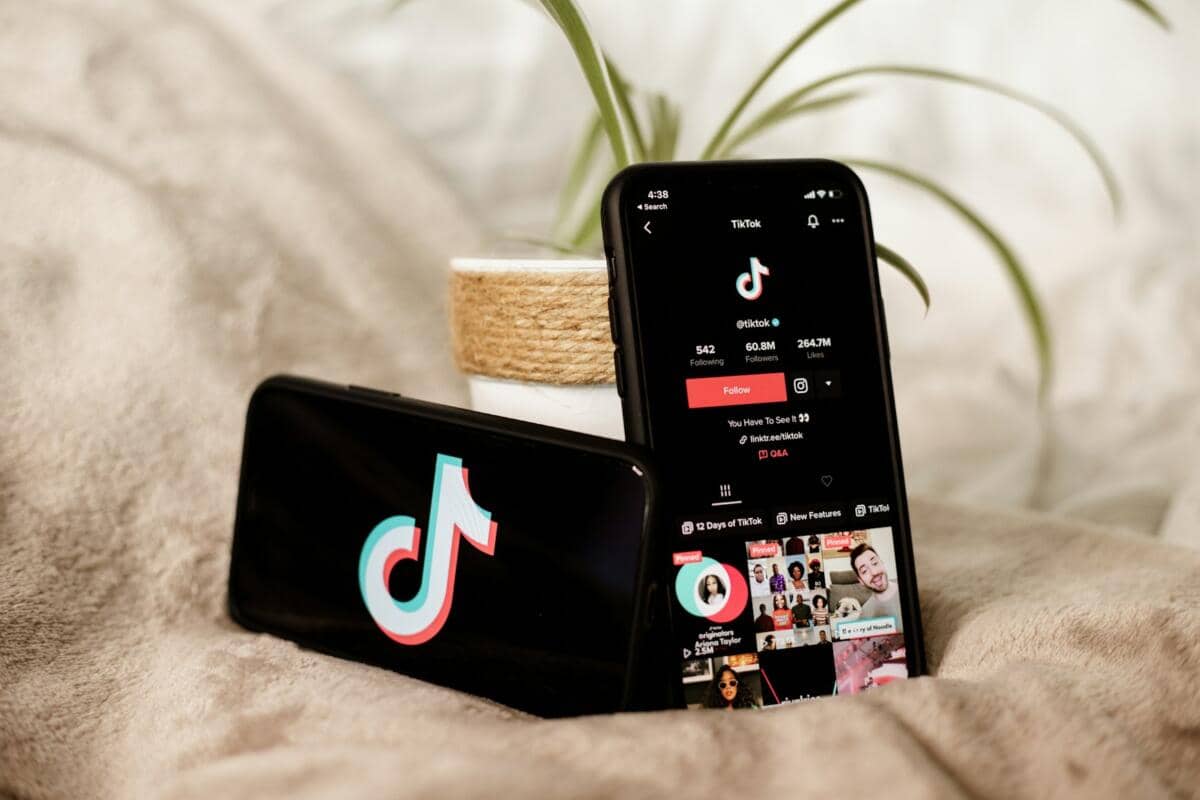
For example, say your skincare brand gifts a serum to Mia, a beauty creator. Mia posts a TikTok showing her morning routine and tags your brand. Even if you're thrilled with the video, you can't assume you can use it as a paid Meta ad, put it on your product page or cut it into an email campaign.
You need permission that covers the way you want to use it. That permission is usually set out in an influencer agreement, content licence agreement or UGC usage rights agreement.
Without a written agreement, you may run into practical problems such as:
- the creator asking you to take down ads after you've already spent money on media;
- having no right to use the content outside Instagram or TikTok;
- not being able to edit, crop or add text to the content;
- a dispute about how long you can keep using the content;
- issues with other people, music, locations or brands shown in the content.
A comment like yes, you can share it may be fine for a casual repost to your Instagram Stories, but it's rarely enough for paid ads, email marketing, website use or product pages.
What Should An Influencer Content Licence Cover?
An influencer content licence should clearly say what content you're allowed to use, where you can use it, for how long, in which territories and whether you can edit it.
A copyright licence means the creator keeps ownership of the content, but gives your business permission to use it in agreed ways. This is different from an assignment, where the creator transfers ownership to you. Most influencer campaigns use a licence rather than a full assignment.
Content Covered
Be specific about the assets. This might include:
- final photos, videos, Reels, TikToks, Shorts or Stories;
- raw footage or behind-the-scenes clips;
- captions, testimonials, reviews or written quotes;
- still images taken from video content;
- before-and-after images;
- the creator's name, handle, likeness and bio, if you want to use those too.
If your campaign needs raw footage for future edits, say so. Creators often price raw footage separately because it gives your brand more flexibility.
Channels And Formats
Your licence should list the channels where your business can use the content. For a beauty brand, this commonly includes:
- organic social media posts and Stories;
- paid social ads, including Meta, TikTok, Pinterest, YouTube or Snapchat;
- website banners, landing pages and product pages;
- email marketing and SMS campaigns;
- marketplace listings and retailer pages;
- in-store screens, point-of-sale materials or trade presentations;
- PR decks, investor decks or wholesale catalogues.
Don't rely on broad wording like marketing purposes if you're planning to use the content heavily. It's better to spell out the actual uses, especially where paid media is involved.
Territory
Your agreement should say where you can use the content. This might be the UK only, Europe, worldwide, or particular markets such as the UK and Ireland.
Territory matters because a creator may charge more for wider use. It also helps avoid issues if your product claims, labelling or regulatory position differ across countries.
Duration
Your licence should also say how long your business can use the content. Common periods include 30 days, 3 months, 6 months, 12 months or in perpetuity.
For paid ads, 3 to 6 months is common, but the right period depends on the campaign value, media spend, creator profile and how evergreen the content is.
If you want to keep a testimonial on a product page indefinitely, say that clearly. A creator may agree to a longer organic website licence but a shorter paid media licence.
Do Paid Media Rights Need To Be Separate?
Yes, paid media rights should usually be dealt with separately because they're more valuable and create more risk for the creator.
There's a big difference between reposting an influencer's photo to your Instagram grid and using their face to sell product through paid ads for months. Paid media can reach large audiences, be targeted to specific customers and be tested across different messages.
If you want to run ads using influencer content, your beauty brand influencer contract should cover:
- which platforms the ads can run on;
- whether the ads can run from your brand account only;
- whether you can run ads from the creator's account, often called whitelisting, allowlisting or Spark Ads;
- how long the ad rights last;
- the territory for the ads;
- who approves the ad copy and creative edits;
- whether the creator can pause ads that misrepresent them or breach the agreement;
- any additional fee for paid usage.
If you're using Meta Partnership Ads, TikTok Spark Ads or a similar tool, the creator may need to grant access through the platform. Your contract should sit alongside that platform permission so everyone knows what has actually been agreed.
It's also worth checking whether the content includes music, filters, templates or sounds that are cleared for commercial advertising. A TikTok sound that works for an organic post may not be licensed for a paid ad. If you ignore this, the platform may reject your ad or a rights holder may complain.
How Should You Handle Exclusivity, Edits And Approvals?
You should handle exclusivity, edits and approvals upfront in the contract, because these are the areas that often cause tension once a campaign is live.
Exclusivity
Exclusivity means the creator agrees not to work with certain competitors for a set period. For beauty brands, this might cover competing skincare, makeup, haircare, fragrance or wellness products.
Keep exclusivity proportionate. A blanket restriction that stops a creator working with all beauty brands for a year may be expensive and hard to justify. A narrower restriction might say the creator won't promote competing vitamin C serums in the UK for 60 days after the campaign goes live.
Your agreement should cover:
- the product category covered by the exclusivity;
- the brands or types of competitors included;
- the start and end date;
- whether unpaid gifting from competitors is restricted;
- what happens if the creator already has another campaign booked.
Edits
Editing rights matter because your team may want to crop a video, add subtitles, include a call-to-action, change the aspect ratio or cut a 30-second Reel into 6-second ads.
Your licence should say whether you can:
- crop, resize or reformat content;
- add text, captions, logos, price points or discount codes;
- combine the content with other assets;
- create stills, GIFs or shorter clips from video;
- use AI tools to enhance, resize or adapt the content;
- translate captions or subtitles for other markets.
Creators also have moral rights under UK copyright law, including the right to object to derogatory treatment of their work in some circumstances. Many brand agreements ask creators to waive or agree not to enforce certain moral rights, but that wording needs to be clear and fair.
From a relationship point of view, it's sensible to promise that you won't edit content in a way that's misleading, offensive or damaging to the creator's reputation.
Approvals
Your contract should set out who approves what, and when. For example, you might require the creator to submit content 3 working days before posting, and you may have one or two rounds of reasonable edits.
For paid ads, the creator may also want approval over final ad copy if their name, face or handle is being used. That can be reasonable, especially if the ad could make it look like they're saying something they didn't say.
Do You Need Model Releases And Disclosure Wording?
Yes, you may need model releases and clear disclosure wording, especially where the content shows identifiable people or promotes your products to consumers.
Model Releases
A model release is written permission from a person appearing in content, allowing your business to use their image, likeness and sometimes voice in agreed marketing materials.
If the influencer is the only person in the content, your influencer agreement or content creator agreement can include the release. If other people appear, such as friends, makeup artists, clients or customers, you may need separate releases from them too.
This is particularly relevant for beauty content because close-up skin, hair and face imagery can be personal. If someone is identifiable, their image may also be personal data under the UK GDPR and the Data Protection Act 2018.
Your business should think about:
- what personal data you're collecting or using, including images and video;
- your lawful basis for using that data;
- what people have been told about the use of their image;
- whether the content includes sensitive information, such as health conditions or skin concerns;
- how long you'll keep and use the content;
- how someone can raise a concern or ask questions.
If children appear in content, get tailored advice. You'll usually need permission from a parent or guardian, and platforms and advertising rules can be stricter where children are involved.
Disclosure Wording
Under ASA/CAP rules, influencer content is likely to be an ad where there's payment or another incentive and the brand has some level of control over the content. The Advertising Standards Authority and the Committee of Advertising Practice Code expect ads to be obvious to consumers.
Separately, CMA consumer protection guidance expects paid-for or incentivised endorsements to be honest and transparent even if the brand doesn't control the content or ask for anything specific in return. In practice, gifts, discounts, commission, affiliate links, trips and other benefits should be clearly and prominently disclosed, with labels such as Ad or #ad where appropriate.
Disclosure should be upfront and easy to see. Hiding it at the end of a long caption or among many hashtags is risky, and a vague label like thanks or gifted may not be clear enough in context.
The Competition and Markets Authority also expects online reviews to be honest and transparent. The Digital Markets, Competition and Consumers Act 2024 has strengthened the UK's consumer protection enforcement framework, so hidden advertising and fake or misleading reviews aren't areas to treat casually.
Beauty brands should also be careful with product claims. If your ad says a serum cures acne, repairs the skin barrier in 24 hours or is clinically proven, you need evidence to back it up and may need to consider whether the wording raises cosmetic, medicinal or health-related regulatory issues.
Common Mistakes To Avoid
The most common mistake is assuming that a creator tag, verbal approval or free product gives you broad rights to use the content anywhere.
Here are the practical issues we often see beauty brands miss:
- No written licence: A DM is better than nothing, but it's usually not enough for a serious campaign.
- Organic rights only: The brand has permission to repost, but not to use the content in paid ads.
- No duration: Nobody knows whether the content can be used for 30 days or forever.
- No territory: The brand starts using the content overseas, even though the creator only expected UK use.
- No editing permission: The brand cuts the video into ad variations and the creator objects.
- No exclusivity detail: The creator posts about a competitor's moisturiser the next week.
- No model release: Another person in the content complains that they never agreed to be in an ad.
- No claim review: A testimonial or before-and-after image makes a stronger claim than your evidence supports.
- No music clearance: The content uses trending audio that can't be used commercially.
For example, imagine Glow & Co pays Mia for one TikTok about a new cleanser. The post performs well, so the brand uses it in Meta ads, adds a discount banner, puts a still image on the product page and sends it to 40,000 email subscribers.
If Mia's agreement only allowed one organic TikTok post, Glow & Co may have gone well beyond the agreed rights. A better setup would be a written agreement giving Glow & Co a 6-month UK licence for paid social, website and email use, with permission to crop and subtitle the video, plus clear disclosure and approved product claims.
Templates can be a helpful starting point, but influencer documents often miss the commercial detail that matters most: paid media, edits, territories, exclusivity, claims and releases. The document works best when it's tailored to how your brand actually markets products.
Key Takeaways
- Influencers and UGC creators usually own the copyright in their content unless they assign it to you in writing.
- A clear content licence should cover channels, duration, territory, paid media, edits and whether you can use the creator's name, handle and image.
- Paid ads, whitelisting and Spark Ads should be agreed separately because they go beyond a standard organic repost.
- Beauty brands need to be careful with exclusivity, product claims, before-and-after content and commercial music or filters.
- If identifiable people appear in the content, consider model releases, UK GDPR issues and how long you'll use the material.
- Paid-for or incentivised endorsements, including gifts and affiliate arrangements, should be clearly disclosed even where the brand doesn't control the content.
If you'd like help with influencer agreements, UGC usage rights, paid media permissions or model release wording, you can reach us at 08081347754 or team@sprintlaw.co.uk for a free, no-obligations chat.
Protect your brand
What intellectual property should you protect?
If a name, logo, design or other creative work matters to the business, check who owns it, what permissions you need and whether clearance or registration is appropriate.

Alex SoloCo-Founder