Business Set Up Articles
Expert articles and practical legal guides on business set up for uk businesses.

Co-founder Agreements for Custom Furniture Businesses in the UK
A co-founder agreement can help custom furniture businesses in the UK avoid disputes about shares, design ownership, workshop assets, funding, and founder
 31 May 2026
How to Start a Dropshipping Company: Legal Checklist for the UK
Working out how to start a dropshipping company in the UK? Here is the legal checklist founders should sort out early, from business structure and
31 May 2026
Employing Staff Who Work Abroad: Legal Issues for UK Businesses
Allowing staff to work overseas can create more than a simple remote working issue. UK businesses should review contracts, local legal risks, data
31 May 2026
How to Start a Communications Consulting Business: Legal Checklist for the UK
Planning to launch a communications consulting business in the UK? This legal checklist covers business structure, registration, contracts, privacy, trade
30 May 2026
What Is a Sister Company in the UK?
A sister company usually means a company under the same parent or common ownership as another company. This guide explains what that means in the UK, when
30 May 2026
How to Start a Design Consulting Business: Legal Checklist for the UK
Starting a design consulting business in the UK means more than choosing a name and landing your first client. This legal checklist covers structure
29 May 2026
How to Start a Hospitality Consulting Business: Legal Checklist for the UK
Starting a hospitality consulting business in the UK is more than choosing a niche and finding clients. This guide covers the legal checklist, business
29 May 2026
Legal Requirements for Starting a Supplement Company in the UK
Starting a supplement company in the UK means dealing with more than branding and product sourcing. This guide covers labels, claims, contracts, online sales and trade marks.
29 May 2026Legal Checklist for Starting a Side Hustle in the UK
Starting a side hustle in the UK can be exciting, but legal basics are often missed until a problem appears. This guide covers the checklist, setup
28 May 2026How to Start a Side Career in the UK: Legal Considerations for Entrepreneurs
Working out how to start a side career in the UK? This guide covers the legal essentials for launching a side hustle, from business structure and
27 May 2026
The New Wave of Solo Founders: Legal Structures That Actually Work
Going it alone in business? The right legal structure can protect your assets, sharpen your growth plans and avoid costly mistakes.
27 May 2026
Setting Up a Pajama Company in the UK
A pajama brand involves more than fabric choices and packaging. This article covers setup, trade marks, clothing labels, online sales, privacy and supplier agreements.
26 May 2026
Co-founder Agreements for UK Energy Consulting Startups
A co-founder agreement can prevent serious disputes in a UK energy consulting startup by setting clear rules on equity, roles, IP, confidentiality and
25 May 2026
How to Start a Financial Consulting Business: Legal Checklist for the UK
Planning how to start a financial consulting business in the UK? This legal checklist covers FCA authorisation risk, business registration, contracts
25 May 2026What Is a PLC? Key Legal Features for UK Businesses
A plc is a public limited company with stricter legal requirements than a private limited company. This guide explains what a plc is, how it differs from
24 May 2026How to Start a Candle Making Business in the UK: Legal Essentials & Setup Guide
Learn how to start a candle making business in the UK with practical guidance on setup, product safety, labels, online sales, contracts and trade marks.
23 May 2026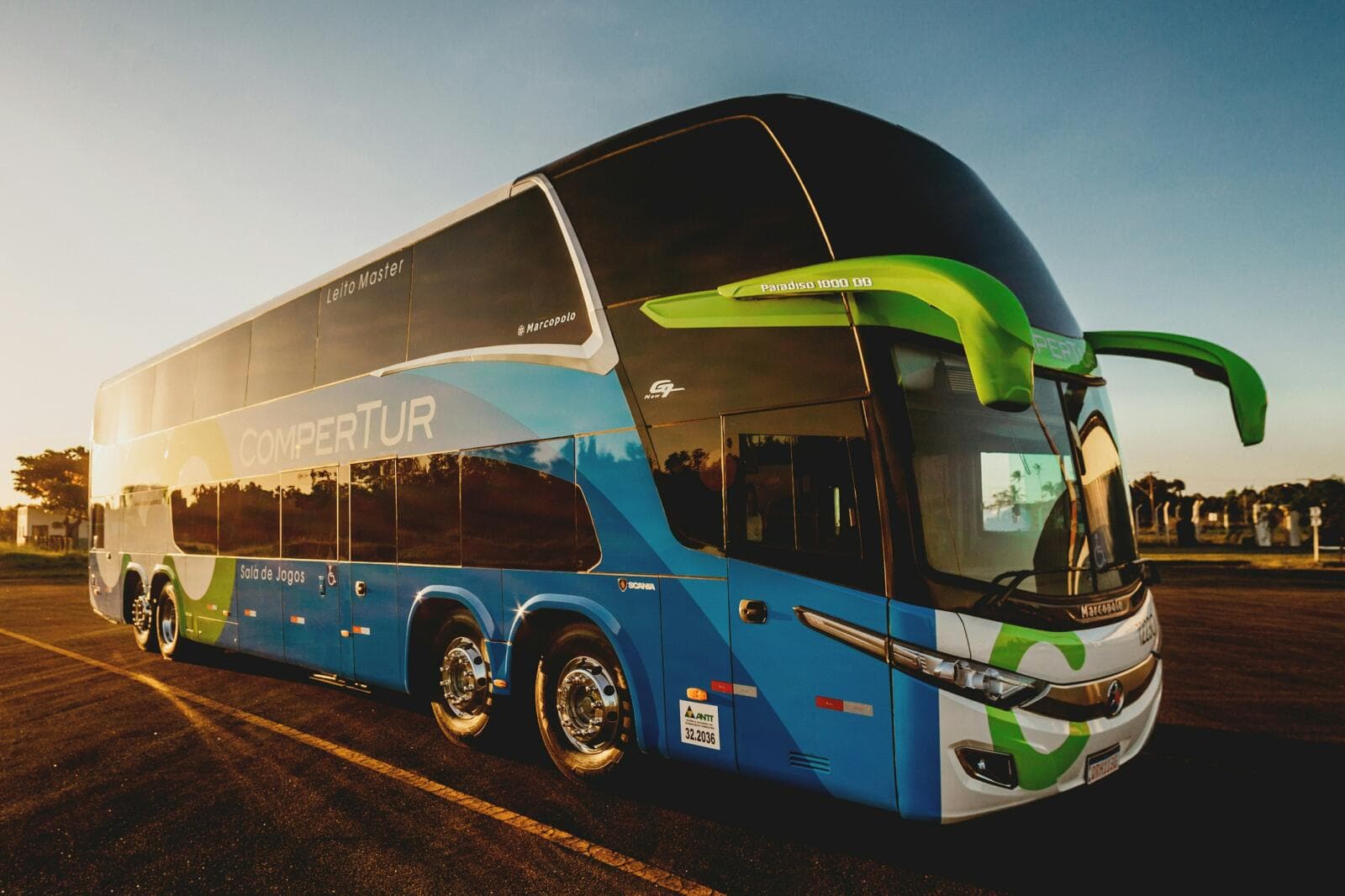
Before You Launch a Bus Company in the UK
A bus company needs careful legal planning before operations begin. This guide covers structure, PSV operator licensing, contracts, privacy and branding issues.
22 May 2026
Self-employed vs Limited Company in the UK: Legal Factors for Founders
Choosing between self-employed status and a limited company is not just about tax. For UK founders, the decision affects liability, contracts, branding
22 May 2026
How to Become an Importer in the UK: Compliance and Legal Checklist
Planning to import goods into the UK? This guide explains how to become an importer, the compliance checks to handle early, and the legal documents that
21 May 2026Co-founder Agreements for Quality Assurance Consultancies in the UK
A co-founder agreement can make or break a quality assurance consultancy. Here is what UK founders should cover on ownership, roles, client relationships
20 May 2026
What to Know Before Starting a Brewing Company in the UK
A brewing company has industry-specific legal issues from the outset. This article covers business setup, alcohol approvals, labels, contracts, online sales and brand protection.
20 May 2026Virtual Office Checklist: Legal Essentials for Startups
Using a virtual office can help a startup look established, but it also raises practical legal issues around registration, address use, contracts, privacy
20 May 2026
How to Start a Research Consulting Business in 2026: Legal Checklist for the UK
Starting a research consultancy in the UK takes more than expertise. This legal checklist covers business structure, registration, privacy, contracts
19 May 2026Starting an Alcohol Brand in the UK: Essential Legal Checklist
Starting an alcohol brand in the UK means more than picking a name and finding a producer. Here is the essential legal checklist for setup, licences
19 May 2026

Need help with your business legals?
Speak with Sprintlaw to get practical legal support and fixed-fee options tailored to your business.