Legal support for fashion brands
Fixed-fee, affordable legal help from a top-rated online legal consultancy.

20,000+ UK businesses helped


Get a free quote
We'll get back to you




What's included
Receive tailored legal support for your fashion brand.
Our expert lawyers will assist you with contracts, trademarks, and compliance tailored to your fashion brand.
- Legal advice on contracts and agreements
- Trademark registration assistance
- Guidance on compliance and regulations
- Support for brand protection strategies
- Review of licensing agreements
- Consultation on intellectual property issues
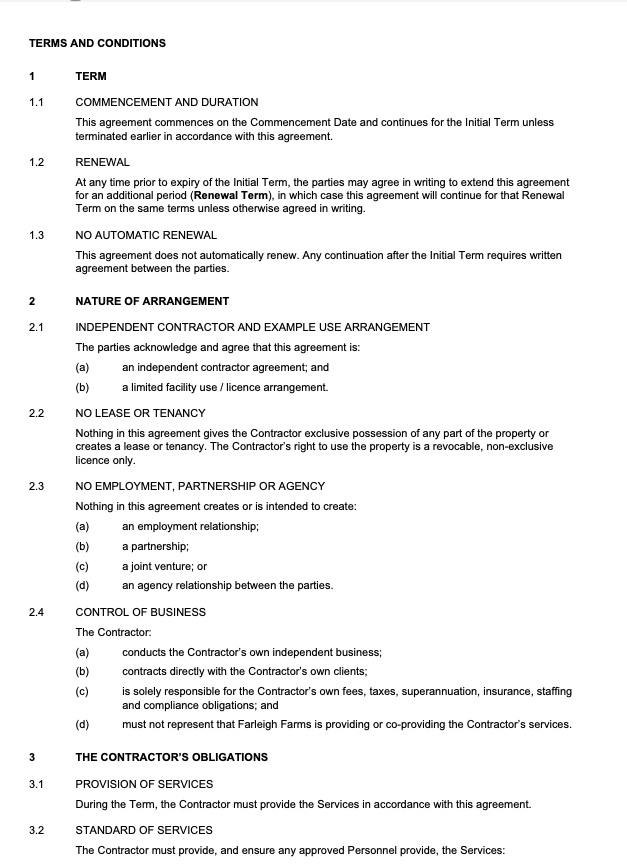
Project
Legal Documents
Status
CompletePrepared by

Alex Solo
Senior Lawyer
FAQs
Frequently asked questions
Unsure about how we work? We have gathered the most common questions for your convenience.
Fashion brands in the UK often need a range of legal services to help them operate smoothly and comply with the law. One key area is intellectual property protection, as protecting designs, logos, and brand names is especially important in the fashion industry. This can include registering trade marks and, in some cases, patents or design rights.
Contracts are also essential. Fashion brands often work with suppliers, manufacturers, and retailers, so drafting and reviewing supplier agreements, distribution contracts, and licensing agreements can help protect the brand's interests and set clear terms.
Employment law is another important area, particularly when managing employees and freelancers. This can include preparing employment contracts, advising on workplace policies, and helping with compliance with UK employment laws.
Fashion brands also need to consider advertising and marketing laws, especially when running promotions or working with influencers. Complying with advertising standards and consumer protection laws can help avoid legal issues.
Data protection is increasingly important too, particularly for e-commerce businesses. Brands should make sure they comply with the General Data Protection Regulation (GDPR) when handling customer data, including by putting suitable privacy policies and data processing agreements in place.
By covering these areas, fashion brands can focus on growing the business while maintaining a strong legal foundation.
When starting a fashion brand in the UK, there are several key legal issues to consider. First, it is important to choose the right business structure, such as a sole trader, partnership, or limited company, as this affects liability and tax obligations.
Intellectual property protection is also important for protecting your brand's designs and logos. This may include registering trade marks and, where relevant, design rights.
Contracts are another key area. You may need agreements with suppliers, manufacturers, and retailers to protect your interests and make sure everyone understands their obligations. Employment law is also relevant if you plan to hire staff or engage freelancers, including having compliant employment contracts and following UK employment laws.
You should also consider advertising and marketing laws, especially if your brand uses promotions or influencer partnerships. Making sure your marketing complies with advertising standards and consumer protection laws can help you avoid legal issues.
Finally, if you sell online, data protection is increasingly important. You will need to comply with the General Data Protection Regulation (GDPR) when handling customer data, including by having suitable privacy policies and data processing agreements in place. Addressing these issues can help you build a strong legal foundation for your fashion brand.
Fashion brands in the UK can protect their intellectual property in several ways. First, it is important to register trade marks for brand names, logos, and other distinctive signs. Registration helps protect the brand against unauthorised use by others.
Brands may also consider registering designs under the UK's Registered Design Rights regime. This can protect the appearance of products, including features such as shape, patterns, and colours. Unregistered designs may also have some protection, although it is generally more limited.
If a fashion business uses innovative processes or technologies, patents may also be relevant in some cases. While patents are less common in fashion, they can be useful for unique manufacturing methods or materials.
It is also important to have clear contracts with designers, manufacturers, and other collaborators so ownership of any intellectual property created is clearly set out. This can help prevent disputes and protect the brand's creative assets.
Finally, monitoring the market for possible infringement can help brands respond quickly to counterfeiting or misuse. Taking practical steps early can help protect brand value and reputation.
Fashion brands in the UK face a range of legal challenges that can affect their operations and growth. One major issue is protecting intellectual property. This includes registering trade marks and design rights, and monitoring the market for possible infringements. Counterfeit goods and unauthorised use of brand assets can harm both reputation and revenue, so quick action is often important.
Another common challenge is managing contract law issues. Fashion brands often enter into agreements with suppliers, manufacturers and retailers, and these contracts should be carefully drafted to protect the brand’s interests. Poorly drafted agreements or misunderstandings can lead to costly disputes.
Employment law is also important, especially where brands work with a mix of employees and freelancers. Complying with UK employment rules, including fair treatment and proper documentation, can help avoid legal problems and support a positive working environment.
Fashion brands must also comply with advertising and marketing laws. This is particularly relevant for influencer partnerships and promotional campaigns, where non-compliance can lead to penalties and reputational damage.
With the growth of e-commerce, data protection is another key area. Brands need to comply with the GDPR when collecting and processing customer data. This includes having suitable privacy policies and taking steps to keep customer information secure.
By dealing with these issues early, fashion brands can better protect their business and focus on growth.
Fashion brands in the UK need to navigate a range of industry regulations to stay compliant and avoid legal issues. One key area is product safety. Brands must meet standards designed to ensure products are safe for consumers. This can include compliance with the General Product Safety Regulations, as well as specific standards for textiles and clothing, such as flammability and chemical content rules.
Fashion brands also need to be aware of labelling requirements. Accurate labelling gives consumers important information about a product, including fibre content, care instructions, and country of origin. Failing to comply can lead to penalties and harm your brand’s reputation.
Environmental regulations are also becoming more important, with greater focus on sustainability. Brands should understand the UK’s environmental laws and initiatives, including the Waste Electrical and Electronic Equipment (WEEE) regulations and wider efforts to reduce carbon emissions and waste.
Employment law is another important area. Brands need to ensure fair treatment and proper documentation for employees and freelancers, including compliance with minimum wage rules, working time requirements, and health and safety standards.
Finally, with digital marketing playing a bigger role, brands should make sure their advertising complies with Advertising Standards Authority (ASA) guidelines to avoid misleading consumers. Staying informed and proactive can help fashion brands operate smoothly and maintain consumer trust.
Working with us is simple. Start by submitting an enquiry through our website using the form at the top of this page or on our Get Started page. A legal project manager will review your enquiry within 1 business day and get in touch to understand your needs.
They’ll then send you a fixed-fee quote setting out the costs, scope and timing. If you’re happy to proceed, you can accept and sign our engagement letter online. Once that’s done, we’ll connect you with an expert lawyer who will complete your project by email, phone or video call, usually within 5 business days.
If you’re not looking for help with a specific matter, you can also explore our platform, which offers free templates, tools to help set up your business, and a free tier to get started. Whether you need legal support or just want to browse resources, we’ve got you covered.
At Sprintlaw, we offer a range of legal services tailored to the needs of startups and small businesses. Our pricing is transparent and designed to suit different requirements:
- One-off services: Many of our one-off legal services, such as document drafting or reviews, are provided at a fixed fee. Prices typically range from £100 to £1,500, depending on the complexity and scope of the work. You can contact our team at any time for a free quote.
- Membership plans: For ongoing legal support, we offer Sprintlaw Memberships. Memberships include benefits such as access to legal templates, a legal helpline, free legal consultations and credits for services. We also have a free tier to help you get started, and our standard membership starts at just £33 /month, with options to upgrade for additional value.
- Customised packages: For larger or more complex projects, such as custom contract drafting, we’ll provide a tailored quote once we understand your specific requirements.
We pride ourselves on being cost-effective while maintaining high-quality legal services. If you’d like a tailored estimate, feel free to reach out to our team.
Sprintlaw UK operates fully online, with our team working remotely across the UK to support startups and small businesses nationwide. Many of our team are based in London and often meet in co-working spaces, but our operations are fully digital, giving both our clients and team greater flexibility and efficiency.
From quote to delivery in three simple steps
Getting quality legal help for your business has never been easier or more affordable.
Get a free quote
Our legally trained consultants will prepare a fixed-fee quote for you.
Accept online
Accept your fixed-fee quote and e-sign our engagement letter.
Speak with a lawyer
Our expert lawyers will talk you through your project via phone, video call or whatever suits.
Get a free quote
Our legally trained consultants will prepare a fixed-fee quote for you.
Accept online
Accept your fixed-fee quote and e-sign our engagement letter.
Speak with a lawyer
Our expert lawyers will talk you through your project via phone, video call or whatever suits.


We've helped over 20,000 UK businesses
From tech startups in London to restaurants in Bristol, we consistently deliver a 5 star service.

“Can’t speak highly enough of my experience with Sprintlaw - quality advice, fast and efficient responsiveness and a professional product.”

Alex Wickert
MD, Adapt Leadership
“I’m so glad I used Sprintlaw - it was easy, affordable and their lawyers gave top quality advice. I could tell they really cared about my business.”

Emmy Samtani
Founder, Kiindred
“They’ve helped us tremendously and are seriously knowledgeable and honest. Couldn’t recommend the crew at Sprintlaw more!”

Amit Tewari
CEO, Soul Burger
Industry leaders

















Not sure where to start?
We can help.
Book a phone call with our team to get started.
Need help now?
0808 134 7754