
Alex is Sprintlaw's co-founder and principal lawyer. Alex previously worked at a top-tier firm as a lawyer specialising in technology and media contracts, and founded a digital agency which he sold in 2015.
Contents
- How Hard Is It To Start a Fast Food Outlet in the UK?
- What Kind of Fast Food Business Can I Start?
- Do I Need Any Special Permits or Licences?
- What Food Safety Regulations Will I Need To Follow?
- What About Health & Safety For Staff and Customers?
- What Employment Laws Must I Follow?
- What Legal Documents Do I Need?
- What Are Some Other Laws I Should Be Aware Of?
- Insurance: What Cover Should I Have?
- What About Buying a Fast Food Franchise Instead?
- Key Takeaways For Starting a Fast Food Outlet in the UK
- Need Help With Setting Up or Running Your Fast Food Business?
Dreaming of running your own fast food outlet in the UK? The UK’s love of a convenient bite is well known, with the fast food sector representing one of the most dynamic hospitality markets in the country. Whether it’s an iconic chip shop, burger joint or a trendy grab-and-go concept, demand remains high and the opportunity for profit is real.
But before you start serving up your first order, there’s a crucial side of the business that every aspiring fast food proprietor needs to nail: your legal set-up. From food safety and local authority registration to employment contracts and intellectual property, getting your foundations right isn’t just about ticking boxes – it’s about making sure you open protected, avoid costly pitfalls, and build customer trust from day one.
If you’re keen to launch a fast food outlet in the UK, keep reading as we break down the legal essentials you’ll need at each step. With the right advice, you’ll be free to focus on serving up success.
How Hard Is It To Start a Fast Food Outlet in the UK?
Opening a fast food business in the UK is an exciting goal, but it comes with its own challenges. The sector is competitive, health regulations are tight, and customers today are more discerning than ever. But – don’t stress. Thousands of food entrepreneurs get started every year, and the good news is that the legal process can be straightforward with planning and the right support. Start by understanding the requirements at each step and you’ll set yourself up to succeed.What Kind of Fast Food Business Can I Start?
“Fast food” covers a huge range of possibilities, including:- High street burger, pizza, chicken or kebab shops
- Food trucks or street market stalls
- Brand‑new niche concepts (“healthy fast food”, vegan or gluten-free outlets, etc.)
- Franchise locations for national or international chains
- Mobile delivery-based or ghost kitchens
Step-By-Step: What Legal Tasks Are Needed To Set Up a Fast Food Business?
1. Research & Business Planning
Before you deal with registrations or compliance, test your fast food business idea on paper. A well-drafted business plan is essential and should include:- Menu and food offering
- Target market and local demand
- Suppliers and ingredient sourcing
- Premises requirements
- Financial forecasts
- Brand and marketing plan
2. Choose a Business Structure
One of your first decisions is how to structure your business. In the UK, the most common options for a fast food proprietor are:- Sole Trader (simple, but you have unlimited liability for debts)
- Partnership (easy to set up if you’re in business with others – but also exposes you personally)
- Private Limited Company (Ltd) (separate legal entity, limited liability, better for protection and growth)
3. Register Your Fast Food Business
Before taking any money or selling a single burger, you’ll need to register your business. Steps will depend on your legal structure, but generally include:- Register as a sole trader, partnership or limited company with HMRC or Companies House
- Register your business name (if different from your own name)
- Register for VAT if turnover will exceed the threshold
- Notify your local authority/environmental health for food premises registration (see below)
Do I Need Any Special Permits or Licences?
You’ll need to tick off several official registrations and licences when starting a fast food business in the UK. These include:- Local authority food business registration: All food premises and food businesses (including home-based and mobile units) must register with the local council at least 28 days before opening. It’s free, but mandatory. Find your relevant authority via the government website.
- Food hygiene ratings and inspections: After you’ve registered, your premises will be inspected by Environmental Health Officers (EHOs) and rated under the Food Hygiene Rating Scheme. Aim for a high rating to boost customer trust.
- Premises licence: If you’ll be serving hot food or drink between 11pm and 5am, you’ll need a late night refreshment licence.
- Music licences: If you intend to play background music in your outlet, you’ll need the relevant PRS/PPL licence for music in public settings.
- Alcohol licence: If you plan to serve alcohol (less common for pure fast food outlets), you must apply for and comply with all alcohol licensing laws.
- Street trading consent: Food trucks or mobile vendors may need additional permits from the local council for trading in public places or at specific events.
What Food Safety Regulations Will I Need To Follow?
Food safety is probably the single most crucial area for any fast food business. You’ll need to comply with food hygiene law as enforced by the Food Standards Agency (FSA). These are the main legal bits to get right:- Food Hygiene Training: All staff must have appropriate food safety and hygiene training for their roles. For most outlets, this means at least Level 2 Food Hygiene Certificate for anyone handling food, and Level 3 for managers or supervisors.
- Hazard Analysis and Critical Control Point (HACCP): You must have a documented food safety management system (based on HACCP principles) showing how you control food hazards.
- Food Hygiene Ratings Scheme: After your initial EHO inspection, your rating (1-5) must be displayed on-site and online. A high rating is essential for customer confidence and can influence your business’s success.
- Allergy and ingredient labelling: It’s a legal requirement to communicate allergen information for every menu item. Be familiar with the 14 major food allergens and how to present this info to customers. New rules on pre‑packed for direct sale (PPDS – Natasha’s Law) also apply to many fast food businesses.
- Maintaining proper records: Keeping a record of suppliers, temperature logs, cleaning schedules, and staff training is good practice and may be requested by authorities.
What About Health & Safety For Staff and Customers?
The safety of everyone on your premises is your legal responsibility as a business owner. UK law enforces strict health and safety standards to protect both staff and the public.- Risk Assessments: You must carry out a risk assessment to identify hazards, assess the risks, and put measures in place to control them. This covers everything from hot oil to slippery floors and the use of kitchen equipment.
- Staff Training: All employees should be given proper training on health and safety in the context of a fast food outlet – including proper use of machinery, food handling, cleaning, and emergency responses (e.g. fire safety and evacuation procedures).
- Fire safety procedures: Your site must have adequate fire detection and warning systems. Regularly test and maintain extinguishers, and ensure exits are always clear.
- First aid: There must be appropriate first aid provision (trained staff and equipment) on your premises.
- Reporting accidents & incidents: All work-related injuries, near misses or dangerous occurrences must be properly documented and, where required, reported under RIDDOR regulations.
What Employment Laws Must I Follow?
Fast food outlets typically rely on a team of staff, so you’ll need to comply with employment law from your very first hire. UK rules cover everything from contracts to pay, rights, and workplace policies.- Employment contracts: Every staff member, including part time or casual, must have a written contract outlining their role, pay, hours, and employment terms. See our employment contract guide for more.
- Minimum wage: You must pay at least the National Minimum Wage (or National Living Wage for relevant age groups). For the latest rates and advice, see our minimum wage guide.
- Right to work: Always check your staff’s right to work in the UK before hiring (penalties for illegal employment are severe).
- Working hours and breaks: Comply with Working Time Regulations regarding hours, rest breaks, and holidays. This includes proper handling of overtime and night work.
- Health and safety training: Staff must be briefed on their responsibilities for workplace safety and know how to respond in emergencies or food safety incidents.
What Legal Documents Do I Need?
Having the right documents in place isn’t just about compliance – it can save you money, prevent disputes, and protect your reputation as your business grows. Common documents needed by a fast food proprietor include:- Employment contracts and staff handbook (outlining your workplace rules and expectations)
- Supplier agreements (to secure ingredient supply, pricing and delivery terms)
- Franchise agreement (if you’re running a franchised outlet – see our franchise agreement services)
- Lease or licence agreement for premises (even a short-term or pop-up needs a property agreement)
- Privacy policy (if you collect any customer data, e.g. for delivery or loyalty schemes – see our privacy policy essentials)
- Terms and conditions for your service (if you have a website, online ordering or delivery)
What Are Some Other Laws I Should Be Aware Of?
There are a few more areas fast food proprietors often overlook:- Consumer protection law: The Consumer Rights Act 2015 sets out rules on product quality, advertising, discounts, cancellations, and refunds. All your advertising and pricing must be accurate and not misleading.
- Data protection (GDPR): If you keep customer emails, data for online ordering, or CCTV, you must comply with the UK GDPR and Data Protection Act 2018. That means collecting information only for legitimate business purposes, keeping it secure, enabling opt-out, and responding to subject access requests.
- Allergen and product labelling: There are strict rules for food sales – especially if you pre-pack or offer food for direct sale. Inadequate info can open you up to lawsuits and enforcement action.
- Intellectual property: Take steps early on to protect your brand, logo, and any unique recipes or menu items. Our guides on protecting your ideas and trade marks explain how to register and defend your business’s IP.
Insurance: What Cover Should I Have?
Insurance may not be top of your list, but it’s a vital risk management tool. Most fast food businesses will need:- Public liability insurance (in case a customer is injured or property is damaged on your premises)
- Employer’s liability insurance (a legal requirement if you have staff)
- Product liability insurance (if a faulty product causes harm to a customer)
- Buildings/contents and business interruption insurance (to protect your property & income)
What About Buying a Fast Food Franchise Instead?
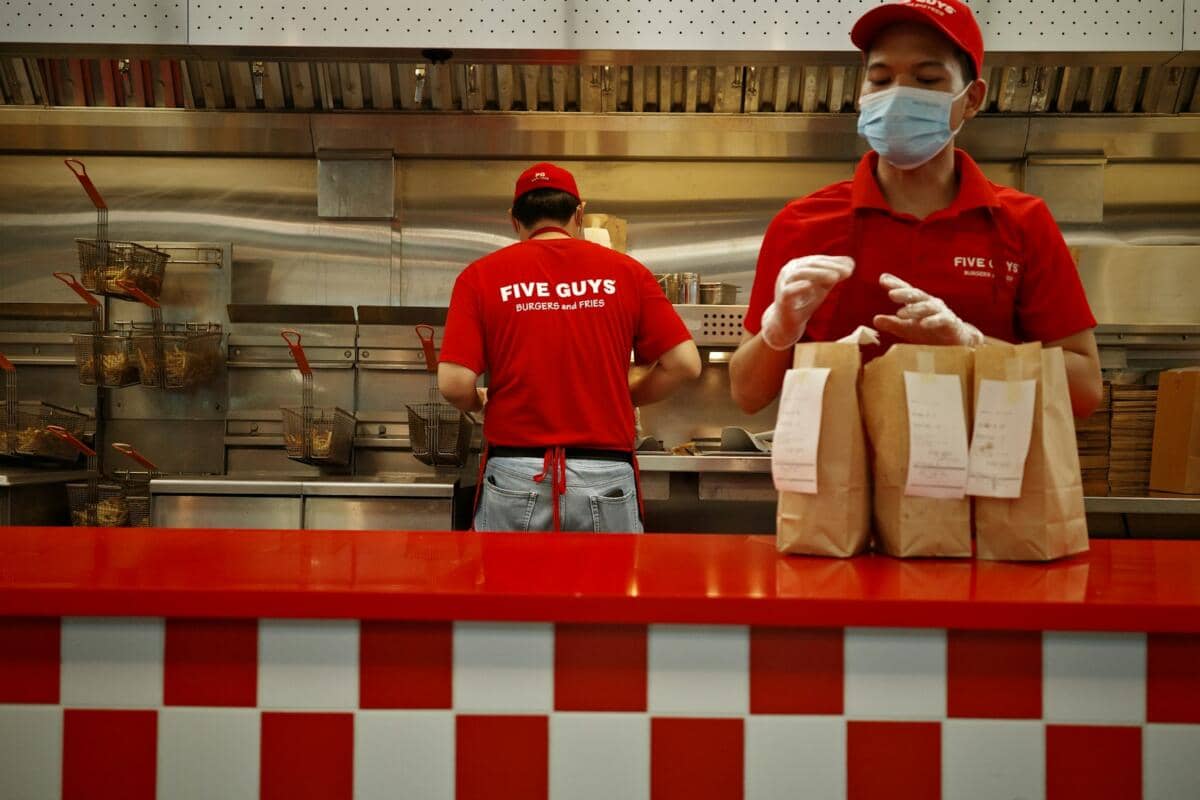
If you’d rather operate an established brand, many turn to franchising. You’ll still need to register with the council and comply with food/hygiene law, but franchising comes with a set of unique legal issues:- Signing a franchise agreement (with strict rules on branding, menu, and procedures)
- Upfront fees and ongoing royalties
- Supply and territory restrictions
Key Takeaways For Starting a Fast Food Outlet in the UK
- The fast food sector is popular and full of potential, but setting up legally is non-negotiable for success and reputation.
- Register your fast food business with the local authority and get the required permits and inspections in place before opening.
- Compliance with food hygiene, health and safety, employment, and consumer protection laws is essential from day one.
- Put in place tailored legal documents, including contracts, privacy policies, franchise or lease agreements, and terms and conditions.
- Insurance is a must – protect your business, staff, and customers with appropriate cover.
- Franchising is an option but comes with its own legal responsibilities and contracts to review.
- Legal obligations can feel complex, but investing in expert advice early will set you up for long-term growth and peace of mind.