
Alex is Sprintlaw's co-founder and principal lawyer. Alex previously worked at a top-tier firm as a lawyer specialising in technology and media contracts, and founded a digital agency which he sold in 2015.
Contents
Force Majeure Examples: Common Events That May Trigger The Clause
- 1) Natural Disasters And Extreme Weather
- 2) Pandemic And Public Health Emergencies
- 3) Government Action, Changes In Law, Or Regulatory Restrictions
- 4) War, Terrorism, Civil Unrest, And Political Instability
- 5) Strikes, Industrial Action, And Labour Disruption
- 6) Supply Chain Failures (Sometimes)
- 7) Cyber Incidents And Infrastructure Failures
What Should You Do When A Force Majeure Event Happens?
- 1) Find The Clause And Read It Like A Checklist
- 2) Give Notice Properly (And Keep Proof)
- 3) Document The Impact On Your Business
- 4) Take Reasonable Steps To Mitigate
- 5) Negotiate A Variation If That’s The Commercially Sensible Outcome
- 6) Watch For Termination Triggers
- 7) If A Dispute Is Brewing, Escalate Early And Protect Your Position
- Key Takeaways
When you’re running a small business, you’re usually planning for the things you can control - pricing, staffing, suppliers, customer demand, and cash flow.
But every now and then, something happens that’s genuinely outside your control, and suddenly you can’t deliver what you promised (or the other side can’t deliver what they promised).
That’s where force majeure often gets mentioned. And because it’s used so widely (and sometimes loosely), it’s worth getting really clear on what it means, what common force majeure examples look like in practice, and how you should protect your business before and during a disruption.
Below, we’ll walk through examples of force majeure, what a well-drafted clause usually includes, and the practical steps UK businesses should take when a force majeure event hits.
What Is Force Majeure (And Is It Automatically Part Of A UK Contract)?
Force majeure is a contractual concept that can excuse, suspend or adjust performance of obligations when something happens that is outside a party’s reasonable control (depending on the clause wording).
In plain English: it’s the clause people rely on when something “unavoidable” stops them from meeting contractual promises.
Is Force Majeure A Legal Right In The UK?
Not automatically.
In England and Wales, force majeure generally only applies if the contract includes a force majeure clause. Unlike some legal systems, there isn’t a single “force majeure law” that automatically implies those protections into every agreement.
That means two important things for small businesses:
- If your contract has no force majeure clause, you may have to look at other legal options (like “frustration”, discussed below) - and the outcome can be less predictable.
- If your contract does include a force majeure clause, what matters most is the wording. Courts typically interpret the clause based on the contract’s specific language and the facts.
This is also why it’s so important to get the contract fundamentals right - including clarity on offer, acceptance, and terms - so you can enforce what you think you agreed. A legally binding contract doesn’t need to be complicated, but it does need to be clear.
What About “Frustration” Instead Of Force Majeure?
If there’s no force majeure clause (or it doesn’t cover what happened), businesses sometimes look at the common law doctrine of frustration.
Very broadly, frustration can apply when an event occurs after the contract is formed which makes performance impossible, illegal, or radically different from what was agreed - and neither party is at fault.
Frustration is a high bar, and it doesn’t work like a customised “pause button” in the way a force majeure clause can. If frustration applies, the contract is typically treated as ending - which may not be what either side wants.
Because the practical consequences can be significant, it’s worth understanding your position early (and getting advice if needed). For a broader grounding, having a handle on contract law basics can help you spot issues before they become disputes.
Force Majeure Examples: Common Events That May Trigger The Clause
People often search for “force majeure examples” because they want to know whether their situation counts. The tricky part is that what qualifies depends on the clause.
Still, there are some common examples of force majeure events that frequently appear in UK commercial contracts (or are commonly argued about when disruption happens).
1) Natural Disasters And Extreme Weather
These are classic force majeure examples and often explicitly listed, such as:
- flooding
- storms and severe weather events
- earthquakes
- fires (especially large-scale or out-of-control fires)
For small businesses, this might show up as flooded premises, damaged stock, or disruption to logistics and deliveries.
2) Pandemic And Public Health Emergencies
Many contracts signed post-2020 now clearly reference pandemics, epidemics, and public health emergencies.
However, even if “pandemic” is mentioned, it’s still common for disputes to arise about:
- whether the pandemic itself was the cause, or the government response (lockdowns, restrictions)
- whether performance was truly prevented, or just made more expensive or inconvenient
- whether reasonable mitigation steps were taken
3) Government Action, Changes In Law, Or Regulatory Restrictions
Another common set of force majeure examples involves the government (or regulator) taking action that affects your ability to perform, for example:
- new laws making performance illegal
- export/import restrictions
- trade sanctions
- mandatory closures or restrictions
- licence suspensions (depending on the contract and circumstances)
This can matter a lot for product-based businesses importing stock, as well as regulated industries.
4) War, Terrorism, Civil Unrest, And Political Instability
Many commercial contracts list:
- war (declared or undeclared)
- terrorist acts or threats
- civil commotion, riots, or widespread disorder
Even where these aren’t listed, businesses sometimes argue the disruption falls under broader wording like “events beyond a party’s reasonable control”. Again, the drafting matters.
5) Strikes, Industrial Action, And Labour Disruption
This is a very common category - but the detail is important.
A clause might cover:
- national strikes affecting transport/logistics
- industry-wide industrial action
- strikes by third parties (for example, ports or couriers)
Some clauses exclude strikes that only involve the affected party’s own workforce (especially if it’s something the business could arguably manage).
6) Supply Chain Failures (Sometimes)
Supply chain issues are where a lot of small businesses get caught out.
A “supplier couldn’t deliver” is not always treated as force majeure unless the clause clearly extends to supplier failures or upstream disruptions.
Examples that may (or may not) be covered depending on the clause include:
- factory shutdowns overseas
- raw material shortages
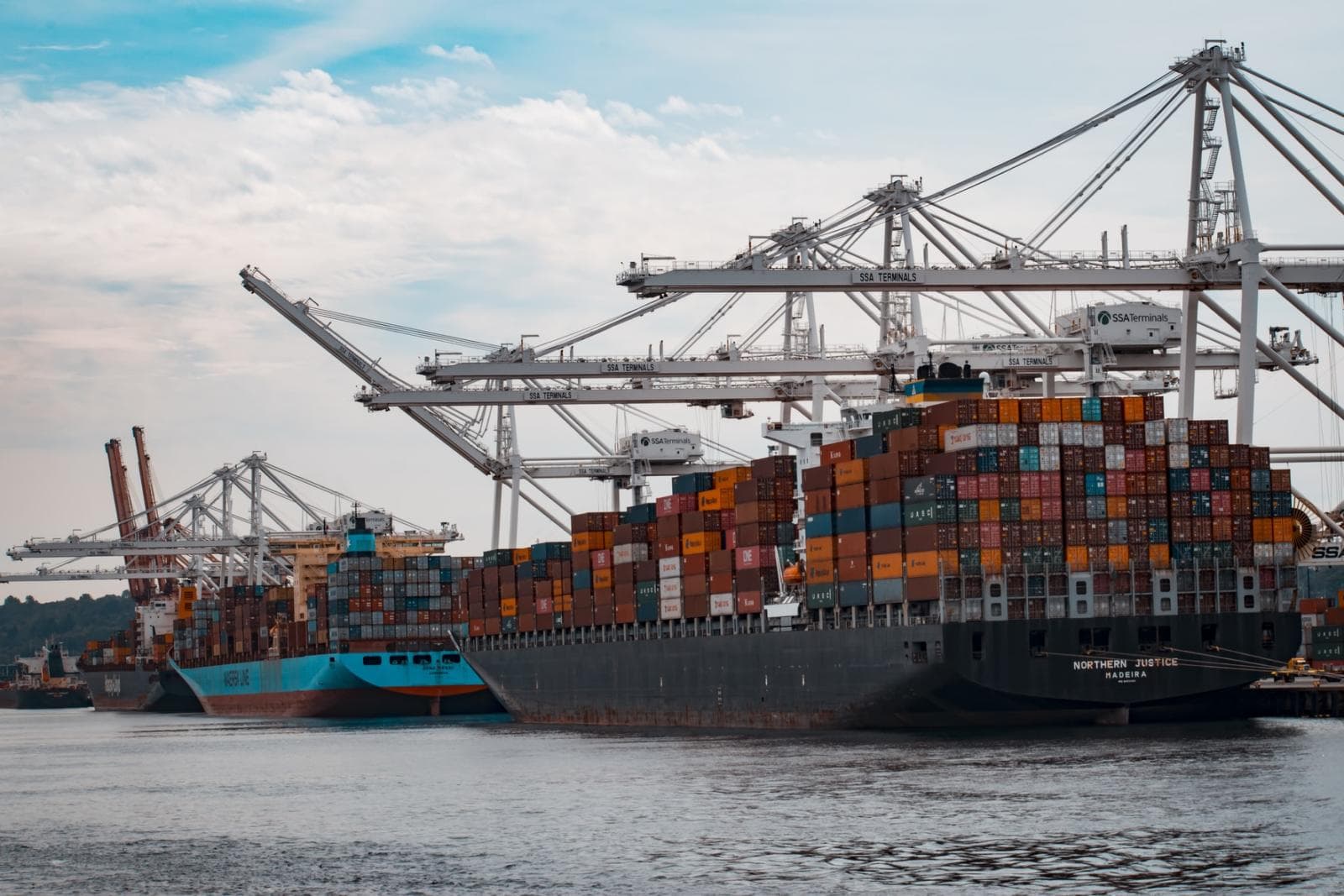
- shipping and freight disruption
- port closures
If your business depends on key suppliers, it’s often worth negotiating force majeure wording that addresses supplier disruption (and not just your own premises or staff).
7) Cyber Incidents And Infrastructure Failures
More modern force majeure examples include:
- large-scale cyberattacks (especially those affecting critical systems)
- widespread power outages or telecom failures
- major IT system failures (sometimes excluded if they’re preventable)
If you run an online business, SaaS company, or any operation reliant on digital infrastructure, it’s worth thinking about how cyber events are treated under your commercial contracts - both customer-facing and supplier-facing.
What Should A Force Majeure Clause Include In A Small Business Contract?
A good force majeure clause isn’t just a list of scary events. It’s really a playbook that answers: “If something unexpected happens, what do we do next?”
Here are the key components that often matter most in practice.
A Clear Definition Of Force Majeure Events
Some clauses use a broad definition (“events beyond reasonable control”), while others include a specific list (or both).
For small businesses, lists can be helpful because they reduce ambiguity - but only if the list reflects your real risks.
For example, a café might care more about utility failures and government restrictions, while an eCommerce business might care about logistics shutdowns and supplier disruption.
Trigger Threshold: Prevented vs Hindered vs Delayed
One of the most overlooked parts is the threshold for relying on the clause, for example:
- “prevented” (usually a higher threshold)
- “hindered” (broader, easier to argue)
- “delayed” (focuses on timing extensions)
This wording can dramatically change whether a party can rely on force majeure when performance is still technically possible but much harder or more expensive.
Notice Requirements And Timeframes
Most force majeure clauses require the affected party to notify the other party within a certain period and include particular information.
This matters because if you miss the notice window (or don’t include required details), you may weaken your ability to rely on the clause - even if the event itself is clearly a force majeure event. Whether a late notice is fatal will usually depend on the clause wording and the circumstances.
Mitigation Obligations
Many clauses require you to take reasonable steps to minimise the impact - like using alternative suppliers, rerouting deliveries, or providing partial performance where possible.
In real life, this means documenting what you tried, why certain options weren’t viable, and how the event affected your operations.
Consequences: Suspension, Extensions, Or Termination
A well-drafted clause should spell out what happens next, such as:
- time for performance is extended
- obligations are suspended while the force majeure event continues
- either party can terminate after a certain period (for example, if disruption lasts 30–90 days)
Payment And Costs During The Disruption
This is where disputes often flare up, especially in service contracts and long-term supply arrangements.
Questions to clarify include:
- Do you still have to pay for work already completed?
- Can deposits be retained?
- Are ongoing fees suspended if services can’t be delivered?
- Who carries additional costs (storage, freight, alternative sourcing)?
It’s also common for force majeure clauses to sit alongside provisions that cap risk, such as a limitation of liability clause (although they do different jobs).
Making Sure The Clause Matches The Rest Of The Contract
Force majeure interacts with other parts of your agreement, like termination rights, service levels, delivery dates, and dispute resolution.
And because contract interpretation can be fact-specific, it’s usually worth getting a contract review before you sign - especially for high-value supplier agreements or “standard terms” provided by the other side.
What Should You Do When A Force Majeure Event Happens?
If disruption hits, speed and process matter. Small businesses often lose leverage not because they’re “wrong”, but because they don’t follow the steps in the contract.
Here’s a practical approach you can take.
1) Find The Clause And Read It Like A Checklist
Don’t rely on memory or assumptions. Pull up the signed contract and check:
- is force majeure defined?
- is your event actually covered?
- what threshold applies (prevented/hindered/delayed)?
- what are your notice obligations?
- what happens to deadlines and payment?
2) Give Notice Properly (And Keep Proof)
If the clause requires written notice, follow it exactly - including the method of service (email, post, specific recipient) and the content required.
If you’re unsure, it’s often safer to give notice early while you investigate, rather than waiting until you have the “perfect” explanation.
3) Document The Impact On Your Business
Keep clear records, including:
- supplier emails confirming delays or shortages
- screenshots of government guidance affecting operations
- photos of damage or access restrictions
- timeline of events and key decisions
- cost impacts (alternative supply quotes, overtime, storage)
This becomes important if the other party challenges your reliance on force majeure.
4) Take Reasonable Steps To Mitigate
Even if the event is genuine, many clauses require you to minimise disruption where possible.
That could include partial delivery, substitution, alternative suppliers, or revised timelines - as long as it doesn’t create unreasonable cost or risk for you (depending on what the contract requires).
5) Negotiate A Variation If That’s The Commercially Sensible Outcome
Sometimes the best outcome isn’t “we’re excused from performance” - it’s “let’s adjust the deal so it still works”.
If you agree changes (like revised delivery dates, temporary discounts, scope reductions, or staged performance), make sure they’re recorded properly, ideally in a signed variation or contract amendment.
6) Watch For Termination Triggers
Many force majeure clauses allow termination after a set period of disruption.
You should track those dates carefully - whether you want to terminate (to stop ongoing costs) or avoid termination (to keep the relationship alive).
7) If A Dispute Is Brewing, Escalate Early And Protect Your Position
If the other party refuses to accept your force majeure notice (or insists you’re in breach), you may need to respond firmly but carefully.
In some cases, the next step may be a formal demand or letter before action, but it’s usually worth getting legal input before you escalate - because the tone and wording can affect negotiation and litigation risk.
Common Force Majeure Mistakes (And How To Avoid Them)
Force majeure disputes often come down to practical missteps. Here are some of the most common ones we see businesses make.
Assuming A Force Majeure Clause Covers “Anything Bad”
It doesn’t. The clause only covers what it says it covers - and sometimes only where performance is truly prevented (not just more expensive).
Missing Notice Deadlines
This is a big one. If your clause says you must notify within 5 or 10 business days, and you miss it, you may lose protections you would otherwise have had under the clause (or give the other side grounds to argue you can’t rely on it), depending on the wording and the circumstances.
Not Mitigating (Or Not Proving Mitigation)
Even where you’ve done your best, if you can’t show what steps you took, it can be harder to defend your position later.
Agreeing Informal “Side Deals” Without Recording Them
It’s very common for parties to agree something over email or a call and assume it’s sorted - then later one side changes their mind.
Getting the variation signed and consistent with the contract’s requirements can prevent a lot of stress. Depending on the type of contract, you may also need to think about how it should be executed - especially if it’s a deed or has deed-style signing blocks. Getting executing contracts right can be the difference between an enforceable variation and an argument about what was agreed.
Not Thinking About Force Majeure When Drafting Or Updating Your Terms
Many small businesses only look at force majeure after something goes wrong.
But it’s much easier (and cheaper) to build resilience into your contracts upfront, especially for:
- supplier and manufacturing agreements
- events and venue hire contracts
- service delivery contracts with deadlines
- retainers and long-term customer agreements
Key Takeaways
- Force majeure usually only helps you if your contract includes a force majeure clause - and the exact wording will matter.
- Common force majeure examples include natural disasters, pandemics, government action, war, terrorism, strikes, and (sometimes) serious supply chain disruption or cyber incidents.
- A good force majeure clause should cover the definition of events, the trigger threshold (prevented/hindered/delayed), notice requirements, mitigation obligations, and the consequences (suspension, extension, termination, and payment treatment).
- If a force majeure event happens, follow the contract steps closely: give notice properly, document the impact, mitigate where reasonable, and record any variations in writing.
- Don’t assume force majeure automatically applies - and don’t wait until a dispute escalates to get advice, especially if a key supplier/customer relationship is on the line.
This article is general information only and isn’t legal advice. If you need advice on your specific situation, get in touch with a lawyer.
If you’d like help reviewing or drafting a force majeure clause (or you’re dealing with a disruption and you’re not sure where you stand), you can reach us at 08081347754 or team@sprintlaw.co.uk for a free, no-obligations chat.