
Alex is Sprintlaw's co-founder and principal lawyer. Alex previously worked at a top-tier firm as a lawyer specialising in technology and media contracts, and founded a digital agency which he sold in 2015.
Contents
When you’re running a small business, you don’t usually have the luxury of “waiting it out” if something unexpected hits your supply chain, staffing, or ability to deliver. A late shipment, a sudden IT outage, a new law, or a key supplier going under can quickly turn a straightforward contract into a stressful (and expensive) problem.
That’s where a contract relief event clause can make a real difference. Done properly, it can give you breathing space when events outside your control disrupt performance, without automatically turning the situation into a dispute.
In this guide, we’ll break down what a contract relief event is, how it typically works in UK commercial contracts, what you should include in your drafting, and how to use it in practice if things go wrong.
What Is A Contract Relief Event (And Why Does It Matter)?
A contract relief event is a contractual mechanism that gives one (or both) parties temporary “relief” from certain obligations when specific events occur. In plain English: it’s a pre-agreed set of rules for what happens if something disrupts your ability to perform the contract as planned.
Importantly, “relief” doesn’t always mean you’re excused from the contract entirely. Depending on how the clause is drafted, it might mean:
- more time to deliver goods/services (an extension of time);
- suspension of certain obligations while the issue is ongoing;
- adjustments to milestones, service levels, or pricing;
- no liability (or limited liability) for delay or non-performance caused by the event; and/or
- termination rights if the event continues beyond a set period.
For small businesses, the value is simple: a well-drafted relief event clause can reduce the risk that an unexpected disruption immediately becomes a breach of contract claim.
Contract Relief Event vs Force Majeure: Are They The Same?
They’re related, but not necessarily the same.
Force majeure is a commonly used concept for extraordinary events outside a party’s control (like natural disasters, war, government restrictions). A contract relief event clause is often broader and can be tailored to include things that are disruptive but not “catastrophic” in the force majeure sense (for example, certain supplier failures, utility outages, or strikes).
In some contracts, “Relief Event” is simply the name used for the force majeure-style clause. In others, a relief event is one category within a broader risk-allocation framework (alongside change control, price review, and termination).
Is A Relief Event Automatically Implied By UK Law?
Usually, no. Under UK contract law, the starting point is that you must do what you promised in the contract.
There are limited legal doctrines (like frustration), but they’re narrow and hard to rely on. In practice, if you want a workable “what happens if things go wrong?” plan, you typically need to write it into the contract.
This is also why it’s worth getting the basics right upfront, including contract basics like offer/acceptance, clear terms, and proper signing authority.
Why Small Businesses Should Care About Contract Relief Events
Large organisations can sometimes absorb delays, rework, and cashflow hits. Small businesses often can’t.
A contract relief event clause matters because it can help you:
- protect cashflow by avoiding immediate penalties or service credits;
- keep the relationship alive by setting expectations and a clear process;
- reduce dispute risk by agreeing in advance what evidence and notice is required;
- avoid uncontrolled scope creep by linking relief to defined outcomes (like revised timelines); and
- maintain leverage by setting termination rights if the disruption continues too long.
In many industries (especially services, SaaS, construction, logistics, and manufacturing), relief events also support more realistic delivery timelines. If the contract assumes “perfect conditions” at all times, it’s more likely to break down when reality hits.
A Quick Example
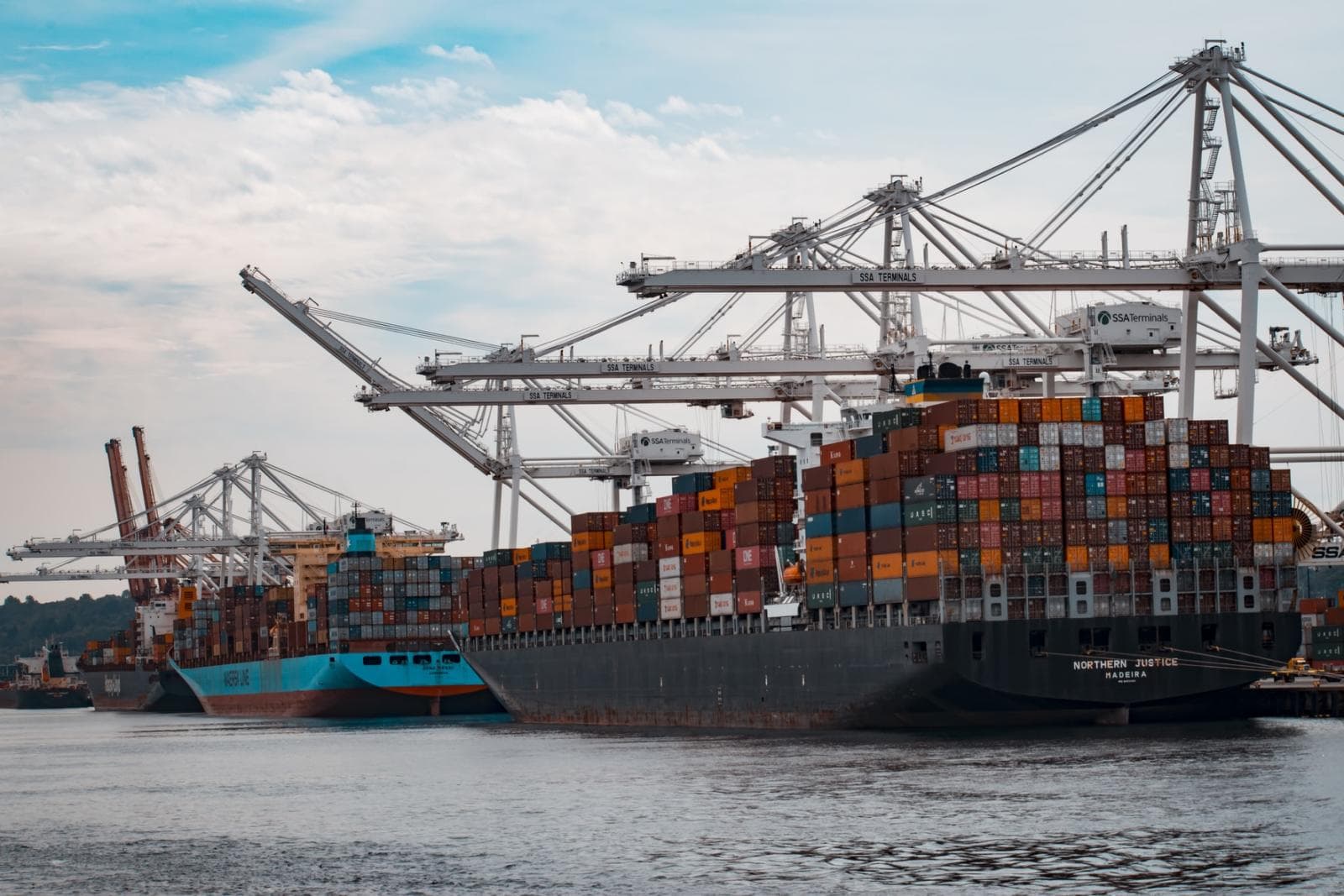
Imagine you run a small business providing installation services. You’ve agreed to complete works by a fixed date. Two days before the project starts, a supplier tells you a key component is delayed due to a port backlog.
Without a contract relief event clause, you’re exposed to an argument that you’re simply in breach if you miss the completion date.
With a clear relief event clause, you may be able to:
- notify the customer promptly;
- show you’re mitigating the delay (e.g. sourcing alternatives);
- extend the completion date by the length of the delay; and
- avoid delay damages/penalties for that specific cause.
What Should A Contract Relief Event Clause Include?
A relief event clause is only helpful if it’s drafted clearly and works with the rest of your contract. If it’s vague, you can end up with arguments about whether the event “counts”, how long relief lasts, and whether you did the right steps to claim it.
Here are the key building blocks.
1) A Clear Definition Of “Relief Event”
Start by defining exactly what a contract relief event is in your agreement. Common approaches include:
- Closed list: only events specifically listed count (more certainty, less flexibility).
- Open list with criteria: listed events plus anything else meeting criteria (more flexibility, but more arguments if drafted poorly).
Typical relief events might include:
- fire, flood, storm, or other natural disasters;
- war, terrorism, or civil unrest;
- government action or restrictions (including lockdown-style restrictions);
- national or regional strikes (sometimes excluding your own staff);
- utility outages affecting your premises (power, internet, water);
- major cyber incidents outside your reasonable control; and
- supply chain disruption (often controversial and heavily negotiated).
Be careful with “supply chain disruption”. If you’re the customer, you may want to exclude it (or restrict it) because otherwise the supplier can rely on it too easily. If you’re the supplier, you may want a tightly defined version, such as disruption that couldn’t reasonably be anticipated and can’t be mitigated with reasonable steps.
2) The Legal Effect: What “Relief” Actually Means
This is where many contracts fall short. You need to specify the consequences of a relief event, such as:
- is performance suspended or just delayed?
- does the deadline automatically extend, or does it require agreement?
- are payment obligations suspended or still due?
- are service levels/SLAs paused?
- are there any cost-sharing rules?
It’s also important to align relief with your liability framework. For example, if you already have a strong limitation of liability clause, the relief event clause should be consistent with it (and not accidentally undermine it).
3) Notice Requirements (And How Strict They Are)
Most relief event clauses require the affected party to give notice within a defined timeframe (for example, “as soon as reasonably practicable” or within 5 business days).
Notice provisions commonly require you to include:
- what happened and when;
- which obligations are affected;
- the expected impact on timing/costs;
- what mitigation steps you’re taking; and
- regular updates until the event ends.
In practice, relief claims can run into problems if the affected party doesn’t follow the contract’s notice process (especially where timely notice is a condition to relief). So if you’re drafting for your own small business, make notice periods realistic and ensure your team can actually comply.
Also, check your general “Notices” clause: can notices be emailed, or do they need to be posted? If you’re dealing with a dispute-sensitive contract, it’s worth making sure your notice methods are workable and consistent with how you run the relationship day to day.
4) A Duty To Mitigate
Most commercial contracts require the affected party to take reasonable steps to reduce the impact of the relief event. This might include sourcing alternative suppliers, using temporary measures, reallocating resources, or implementing business continuity processes.
Mitigation is important because it keeps the clause fair: you’re protected from genuinely unavoidable disruption, but you’re not rewarded for doing nothing.
5) A Longstop Termination Right
Relief can’t go on forever. Many contracts include a longstop period (for example, if the relief event continues for 30, 60, or 90 days) after which one or both parties can terminate.
This helps avoid “zombie contracts” where neither side can perform properly, but the agreement never ends. If termination is on the table, you’ll want your termination wording to be clear and aligned with the broader contract, including any termination letter process you may rely on later.
6) Interaction With Other Clauses (Variation, Change Control, Payment)
A relief event clause shouldn’t sit in isolation. It needs to work with:
- variation/change clauses (how changes are agreed and documented);
- payment clauses (do invoices still fall due?);
- service credits or liquidated damages (are these excluded during relief?); and
- insurance obligations (is the event insurable, and who bears the premium?).
It’s common to deal with relief through a contract change. If that’s your approach, make sure your process for amending a contract is clear so you don’t end up with messy “side emails” that are hard to enforce later.
Common Relief Event Triggers (And How To Draft Them Without Creating Loopholes)
Small businesses often ask: “What should we include as a contract relief event?” The answer depends on your industry, bargaining power, and risk tolerance.
Below are common triggers and the drafting traps to watch for.
Public Authority Action And Change In Law
Government restrictions, licence changes, or new compliance requirements can create real delays and costs.
If you include these as relief events, be specific about:
- what counts as “change in law” (new law vs change in interpretation);
- whether the relief is time-only, cost-only, or both; and
- how the parties will agree a revised plan (variation procedure).
This is particularly important if you operate in regulated spaces like food, health, construction, or finance.
IT And Cyber Incidents
For businesses relying on systems, a cyber incident can stop delivery overnight.
If cyber issues are a relief event, consider:
- excluding incidents caused by your failure to maintain reasonable security;
- linking relief to your obligation to implement business continuity measures; and
- requiring prompt notifications and cooperation.
Also remember: even if a relief event applies contractually, you may still have data protection obligations if personal data is involved. (That’s often dealt with via your privacy and data processing terms, depending on your role.)
Supply Chain Disruption
This is one of the most negotiated triggers. If you’re relying on overseas shipping, specialist components, or single-source suppliers, you may want some cover here.
To avoid creating a loophole, you can draft guardrails such as:
- requiring that the supplier disruption was not reasonably foreseeable at contract signature;
- requiring you to use “commercially reasonable efforts” to source alternatives;
- excluding disruption caused by your subcontractor’s financial failure (unless genuinely unavoidable); and
- limiting relief to time extensions only (not extra fees), unless agreed via variation.
Labour Shortages And Industrial Action
These can be tricky. Some contracts include “strikes and industrial disputes” but exclude the affected party’s own employees, to prevent a business from claiming relief for internal staffing issues.
If staffing risk is a genuine concern in your sector, you may want a tailored clause rather than a generic one.
What Should You Do If You Need To Claim A Contract Relief Event?
If a disruption happens and you think it qualifies as a contract relief event, your next steps matter. Many disputes aren’t really about the event itself - they’re about how the parties behaved afterwards.
Step 1: Check The Contract Definition (Don’t Assume)
Start with the precise contract wording. Does the event actually fall within the definition? Are there exclusions (like your own negligence, subcontractor failure, or lack of mitigation)?
This is also a good time to check whether your contract has any “priority” clauses that can override others, including any notwithstanding wording that might affect how relief interacts with service levels, penalties, or termination rights.
Step 2: Give Notice Properly (And Keep Evidence)
Send the notice in the required way and within the required timeframe.
Keep records of:
- supplier communications showing the delay or disruption;
- incident reports (for IT issues);
- photos, logs, or third-party confirmation;
- internal notes of the steps you took to mitigate; and
- updated project plans and revised dates.
Even if the relationship is friendly, a proper paper trail can prevent misunderstandings later.
Step 3: Mitigate And Communicate
Most relief clauses require you to keep the other party updated. From a commercial perspective, proactive communication also helps preserve trust (especially if the other party has deadlines of their own).
Where possible, propose practical solutions:
- partial delivery;
- alternative specifications;
- temporary workarounds;
- re-sequencing milestones; or
- a formal variation to the timeline.
Step 4: Document Any Agreement To Change Timelines Or Scope
If you agree new dates or scope changes, make sure it’s captured in writing in line with the contract’s variation clause. In some cases, “quick email agreements” may still have legal effect, but they can also create uncertainty (and may not work at all if the contract requires variations to be signed and that requirement is enforced).
When in doubt, it’s safer to formalise the change properly and keep everything consistent with the agreement’s amendment process.
Step 5: If Things Escalate, Follow The Dispute Process
If the other side challenges your relief claim, check the dispute resolution clause. Some contracts require negotiation meetings, escalation to senior management, or mediation before court action.
If you do end up needing to push for payment or enforce rights, the quality of your notices and records will matter. In many business-to-business disputes, a well-timed letter before action can help move the situation forward without immediately jumping into litigation.
Key Takeaways
- A relief event clause is a practical way to deal with unexpected disruptions by setting clear rules for time extensions, suspension of obligations, and (sometimes) reduced liability.
- Relief event clauses are often similar to force majeure clauses, but they can be drafted more broadly (or more narrowly) depending on what risks your business actually faces.
- A strong relief event clause should define the events clearly, state exactly what “relief” means, require prompt notice, include a duty to mitigate, and set a longstop termination right.
- Notice and evidence are critical - relief claims often turn on whether the affected party followed the contract’s notice process and can show the impact and mitigation steps (and how strict this is will depend on the wording).
- Relief events should align with the rest of your contract, especially limitation of liability, variation/amendment procedures, payment terms, and termination rights.
- If you’re relying heavily on suppliers, systems, or regulatory approvals, it’s worth tailoring your relief event clause rather than using a generic template.
If you’d like help reviewing or drafting a relief event clause (or updating your commercial contracts so they’re practical for real-world disruptions), you can reach us at 08081347754 or team@sprintlaw.co.uk for a free, no-obligations chat.